The Effect Of Traffic Patterns on Asphalt Wear
Published on: November 28, 2025 | Last Updated: April 14, 2025
Written By: George Voss
Traffic patterns shape asphalt wear through vehicle weight, movement, and frequency. Heavy trucks press over 18,000 pounds per axle into pavement, causing ruts and cracks, while stop-and-go traffic tears surfaces at intersections. Steady traffic spreads stress evenly, but concentrated flow in lanes or acceleration zones speeds breakdown. Matching asphalt design to these patterns—like using PG 76-22 binder for truck routes—can double pavement life before repairs.
This article shows how traffic wears down roads and how to fight back. See why truck lanes crack faster than car lanes, how potholes form near stop signs, and what keeps high-traffic airports durable. Explore fixes like polymer-modified asphalt, timed crack sealing, and lane rotation strategies proven to cut repair costs by 30% on U.S. highways.
Contents
- How Traffic Patterns Influence Asphalt Degradation
- Common Types Of Asphalt Distress Linked to Traffic Patterns
- Key Factors Intensifying Traffic-related Asphalt Wear
- Strategies to Reduce Traffic-induced Asphalt Damage
- Environmental Interactions With Traffic Wear
- FAQs: Traffic Patterns and Asphalt Performance
- Closing Thoughts
- Additional Resources for You:
How Traffic Patterns Influence Asphalt Degradation
Road wear grows based on how cars and trucks move. Traffic patterns shape how fast asphalt breaks down. Let’s break down key factors.
Types Of Traffic Patterns Impacting Asphalt Surfaces
Not all traffic strains roads the same. Vehicle types, flow paths, and speed shifts create unique stress points.
Heavy vs. Light Vehicle Traffic
Heavy trucks cause more harm than cars. A single 18,000 lb axle load equals 10,000 car passes. Roads with frequent truck traffic show rutting 3x faster than car-only lanes.
Directional Traffic Flow and Lane Usage
Straight-line traffic wears lanes unevenly. Left lanes on highways face 40% more wear than others due to steady truck use. Curbside lanes at intersections crack faster from turning forces.
Speed Variations and Acceleration Zones
Stop-and-go zones tear asphalt faster. Acceleration spots near traffic lights suffer 2x more cracking than steady-speed areas. Tire grip forces spike when vehicles speed up or brake hard.
Traffic Volume and Frequency Effects
More cars mean more wear. But timing matters too – non-stop traffic prevents asphalt from rebounding after loads lift.
Daily Commuter Traffic vs. Intermittent Use
Roads with 20,000+ daily cars degrade 50% quicker than low-use paths. Thin asphalt layers (under 3 inches) fail within 5 years under heavy daily loads.
Peak Hour Congestion and Continuous Load Stress
Jams keep weight on roads non-stop. This prevents the asphalt base from springing back. Just 2 hours of daily gridlock can cut pavement life by 30%.
Impact Of Vehicle Load Distribution
Where tires meet pavement matters most. Uneven loads strain specific spots, leading to deep cracks and base failures.
Axle Weight Concentrations on Pavement Layers
Heavy axles punch through surface layers. A 34,000 lb tandem axle stresses the subgrade 7x more than single axles. This leads to alligator cracks in 2-3 years if base layers are weak.
Uneven Load Distribution from Turning Movements
Turning wheels shear asphalt sideways. Intersection corners face 80% higher shear stress than straight lanes. This displaces aggregate and creates potholes.
These traffic-induced stresses set the stage for specific failure types. Next, we’ll explore common asphalt distress patterns tied to road use.
Common Types Of Asphalt Distress Linked to Traffic Patterns
Traffic patterns directly shape how asphalt deteriorates. Heavy trucks, frequent stops, and concentrated wheel paths create distinct damage signatures. These stressors interact with pavement materials, accelerating wear in predictable patterns.
Fatigue Cracking From Repetitive Stress
Repeated vehicle loads bend asphalt surfaces beyond their elastic limit. A standard 18,000-pound truck axle applies 80-120 PSI pressure per tire. Over 10,000 daily passes on urban highways create cumulative damage that initiates subsurface cracks.
Progression from Microcracks to Alligator Cracking
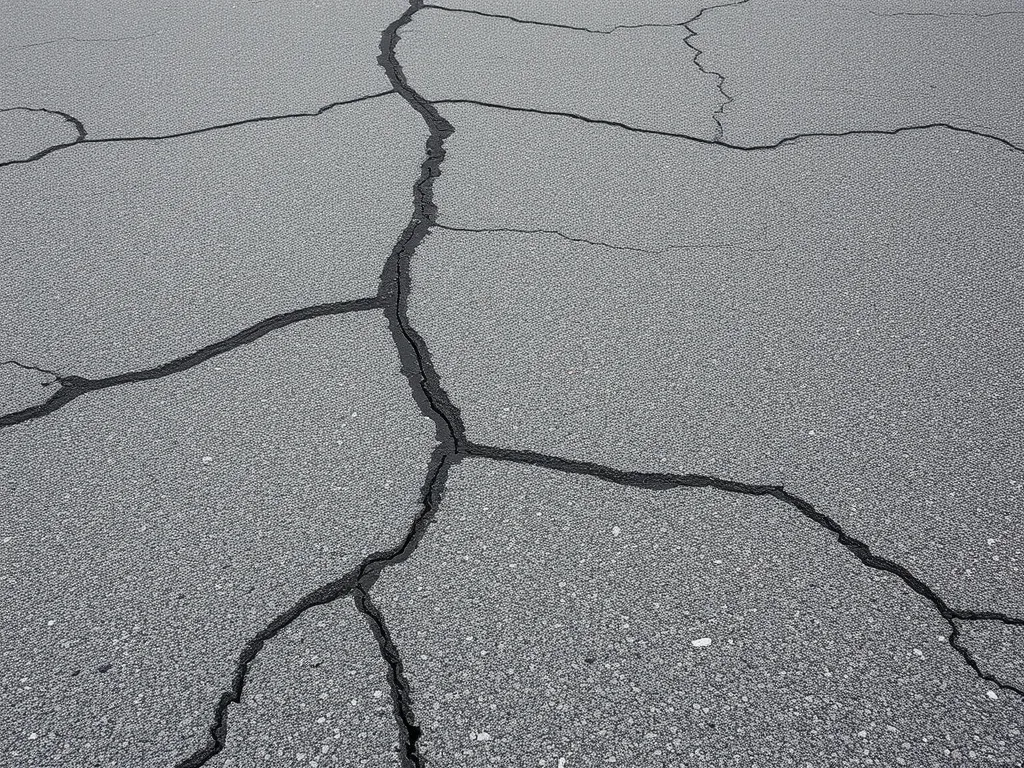
Microcracks first form in the binder course at 0.1-0.3mm widths. Unchecked growth leads to interconnected “alligator” patterns within 2-5 years under heavy traffic. Each crack widens 1-3mm annually without maintenance, allowing water infiltration that weakens base layers.
Rutting and Deformation Under Heavy Loads
Channelized truck traffic compacts asphalt to depths of 4-8 inches. Permanent ruts exceeding 0.5 inches depth require milling. The AASHTO T324 test shows high-traffic mixes need 15%+ air voids resistance to prevent deformation at 140°F summer temperatures.
Channelized Traffic and Wheel Path Compaction
Bus lanes and truck routes show 300% faster rutting than mixed-traffic areas. Wheel path densities reach 96% Marshall Stability versus 92% in non-trafficked zones. This differential compaction creates hazardous water pooling – 1/4″ rainfall collects 2″ deep in 1″ ruts.
Surface Raveling Due to Abrasive Wear
Tire friction generates 20-40N·m torque during braking, dislodging 1/4″ aggregates. Bus stops and downhill grades lose 3-5mm surface depth yearly. Raveling rates triple when polymer-modified binders drop below 8% content by weight.
Aggregate Dislodgement from Tire Friction
- 40-50 MPH traffic: 0.2mm/year aggregate loss
- Frequent stop zones: 1.5mm/year loss
- Winter studded tires: 2x wear rates
Polished aggregates below 50 BPN (British Pendulum Number) require surface treatments like chip seals or microsurfacing.
These traffic-induced wear patterns set the stage for examining how pavement design choices amplify or mitigate damage. Structural specifications and material science play decisive roles…
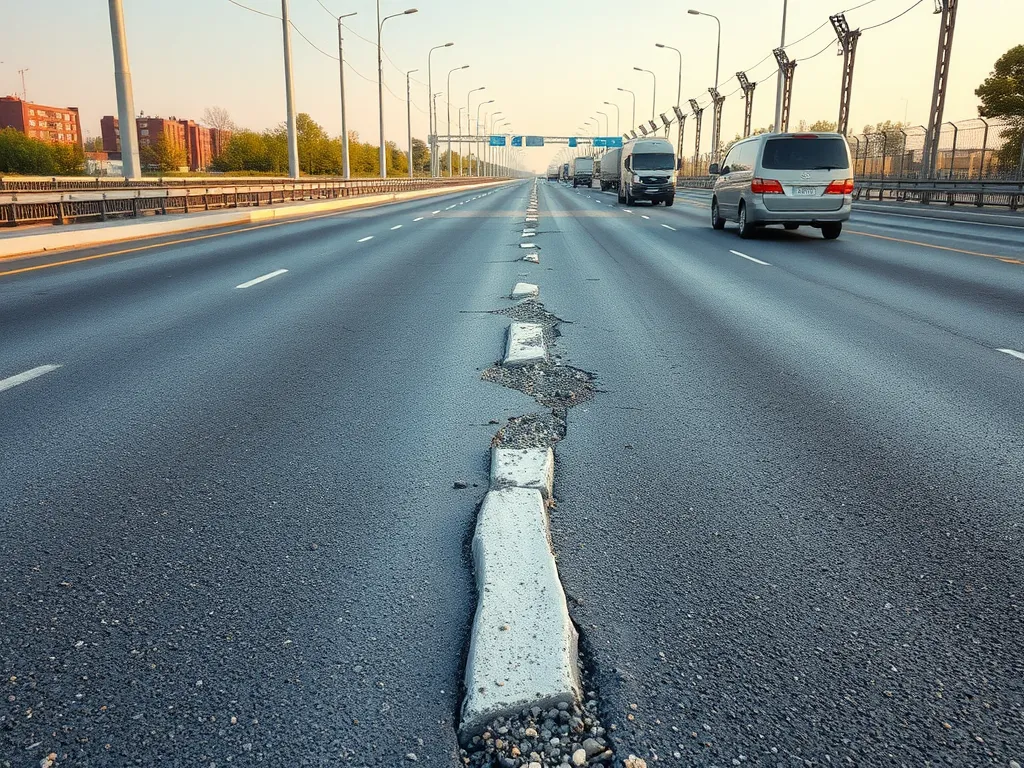
Traffic patterns shape asphalt wear, but three factors speed up damage: flawed design, weak drainage, and poor materials. These flaws turn normal traffic stress into rapid pavement failure.
Inadequate Pavement Structural Design
Roads built without traffic data fail faster. Thin layers or weak bases buckle under heavy loads.
Substandard Layer Thickness for Anticipated Traffic
A 4-inch asphalt layer cracks under truck traffic needing 6+ inches. Thinner surfaces let pressure reach base layers, causing ruts and cracks. Roads for semi-trucks need 8-12 inches of base gravel plus thick asphalt.
Poor Drainage Systems Exacerbating Damage
Water trapped under pavement softens the base. Busy roads with poor drains fail 2-3x faster.
Water Infiltration in High-Traffic Areas
Truck tires push water into cracks at intersections. This “pumping action” erodes base soils. One inch of water under pavement cuts strength by 40%.
Material Quality Deficiencies
Low-grade asphalt mixes crumble under stress. Binder quality decides how well roads handle traffic.
Low-Grade Binder Performance Under Stress
PG 64-22 binder softens in heat, causing ruts in truck lanes. PG 76-28 stays firm up to 158°F. Weak binders crack after 5,000+ truck passes; strong ones last 50,000+.
These factors set the stage for solutions. Next, we explore how smart design choices combat traffic wear.
Also See: How to Lay Asphalt Driveway: A Simple DIY Guide
Strategies to Reduce Traffic-induced Asphalt Damage
Targeted design choices and maintenance protocols counterbalance traffic pattern impacts on asphalt wear. These methods directly address axle loads, friction points, and stress distribution across pavement surfaces.
Traffic-adapted Pavement Design
Engineers tailor asphalt systems to match projected traffic volumes and vehicle types. Custom designs prevent premature asphalt fatigue in high-stress zones like truck lanes and bus routes.
Load-Specific Asphalt Mix Selection
High-traffic corridors require PG 76-22 binders (Performance Grade asphalt designed for 76°C high-temperature resistance) paired with angular aggregates. These mixes withstand 18,000-pound single axle loads without rutting. Low-volume roads use softer PG 58-28 binders for cost efficiency.
Reinforced Base Layers for Heavy Corridors
Geogrid-stabilized bases with 12-inch crushed stone reduce vertical strain by 40% under semi-truck traffic. This prevents subgrade deformation causing surface cracks. Critical for logistics hubs handling 1,000+ daily truck trips.
Proactive Maintenance for High-traffic Zones
Frequent traffic exposure demands scheduled interventions before minor damage escalates. Data-driven upkeep preserves asphalt performance despite heavy use.
Timely Crack Sealing in Wheel Paths
Seal cracks ≤1/4″ within 48 hours using rubberized asphalt emulsion. Delayed repairs let water infiltrate 6-8″ into base layers, accelerating asphalt degradation. Priority zones: intersection approaches and climbing lanes.
Surface Treatments for Abrasion Resistance
Apply polymer-modified chip seals every 5-7 years on busy arterials. These 3/8” aggregate layers reduce ravelling by 70% by shielding binder from tire friction. Cost: $1.50-$2.25 per square yard versus $4.50 for full-depth repairs.
Traffic Flow Management Techniques
Operational adjustments distribute vehicle impacts more evenly, extending asphalt longevity.
Weight Distribution Through Lane Marking Adjustments
Restripe 12-foot lanes to 14 feet on highways with >15% truck traffic. Widening spreads load concentrations, cutting edge stress by 22%. Smart lane control systems dynamically reroute trucks during peak hours using real-time weight sensors.
While these strategies mitigate mechanical wear, environmental factors like temperature swings and moisture infiltration compound traffic-related asphalt distress. Next, we analyze how climate interacts with vehicle impacts on pavement integrity.
Environmental Interactions With Traffic Wear
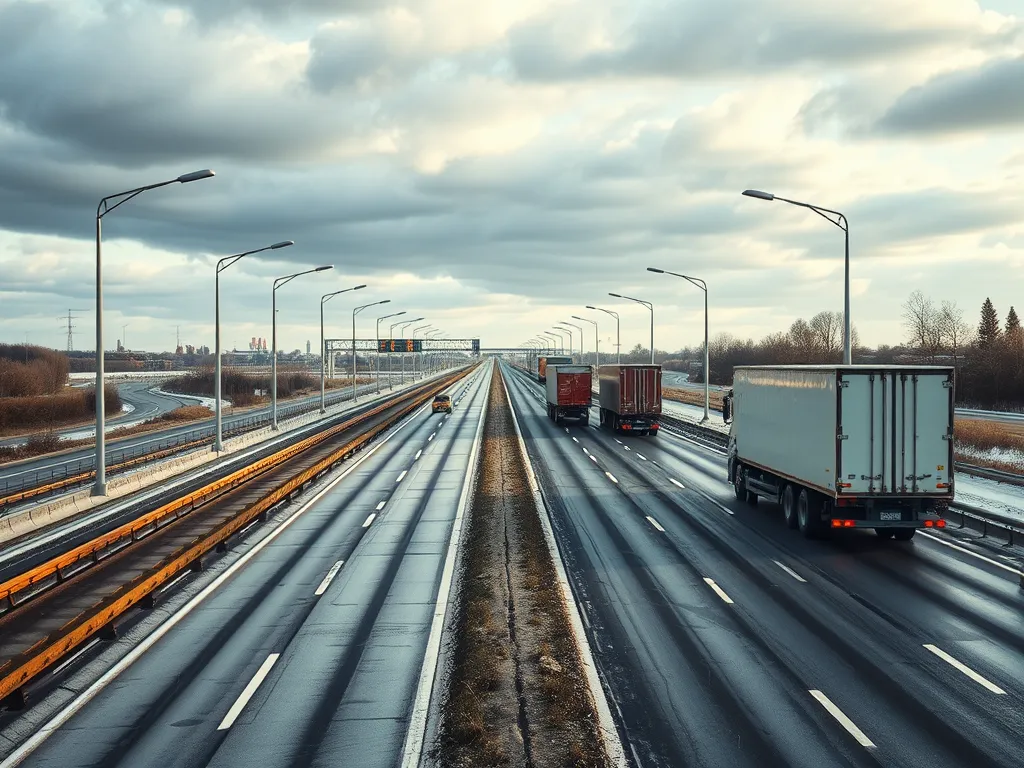
Weather conditions multiply traffic-induced stresses on pavement. Temperature shifts, moisture intrusion, and freeze-thaw cycles work with vehicle loads to accelerate surface breakdown. These factors reshape how traffic volume impacts asphalt wear over time.
Temperature Effects on Traffic-stressed Asphalt
Asphalt stiffness fluctuates dramatically with seasonal changes. These shifts determine how traffic loads deform surfaces, influencing cracking patterns and rut depths. Engineers use PG binders (performance-graded by temperature) to counter these stresses.
Summer Softening Under Heavy Trucks
At 140°F+, asphalt surfaces soften, becoming vulnerable to imprinting. Heavy trucks exert up to 20,000 lbs per axle, pushing tire treads into pliable pavement. Channelized traffic—like repeated truck routes—creates permanent ruts up to 1.5″ deep in weeks. Modified binders like PG 76-22 resist deformation even under extreme heat.
Winter Brittleness and Impact Cracking
Below 40°F, asphalt loses flexibility. Brittle surfaces fracture under sudden loads—think delivery trucks braking at stop signs. Thermal contraction joints widen, letting traffic vibrations split pavement into geometric blocks. High-volume zones with frequent stops show 300% more transverse cracks than low-traffic areas.
Moisture Damage in High-traffic Areas
Water infiltration ranks second only to load stress in causing asphalt degradation. Traffic pumps moisture deeper into pavement layers, stripping binder from aggregates. Busy intersections suffer most—studies show 80% of stripping initiates within 15′ of traffic signals.
Pumping Action at Busy Intersections
Each vehicle stop forces tires downward, squeezing water through surface voids. Over 10,000 daily stops at a busy crossing can push 50+ gallons of water into the base layer yearly. This weakens support, leading to potholes and base failures. Open-graded friction courses reduce pumping by draining 40% faster than dense mixes.
Managing these environmental-traffic interactions requires tailored solutions. Next, we’ll examine how pavement design innovations combat combined stresses.
FAQs: Traffic Patterns and Asphalt Performance
What Happens to Asphalt When It Starts to Deteriorate?
As asphalt deteriorates, it loses its structural integrity, resulting in visible symptoms such as cracking, raveling, and surface deformities like ruts. This deterioration can lead to increased damage over time and can ultimately require costly repairs or complete resurfacing.
How Does Traffic Overload Affect Pavement Performance?
Traffic overload exerts excessive stress on pavement, leading to accelerated wear and the development of distresses such as rutting, cracking, and surface failures. It compromises the pavement structure’s ability to recover after loads are lifted, which can shorten the pavement’s lifespan significantly.
What Improves the Top Condition Of Asphalt Pavement?
Regular maintenance practices, such as timely crack sealing, surface treatments, and proper drainage management, significantly improve the condition of asphalt pavement. Additionally, selecting the right asphalt mix for the expected traffic levels can enhance its durability and performance.
How Does Aging Affect Asphalt Mixture Performance?
Aging affects asphalt mixtures by causing the binder to oxidize and harden, leading to a reduction in flexibility and increased brittleness. This process can result in an elevated risk of cracking and other failures as the asphalt struggles to withstand traffic loads over time.
Closing Thoughts
Understanding the effect of traffic patterns on asphalt wear is vital for maintaining durable roads. Heavy vehicle loads, peak traffic congestion, and uneven weight distribution can significantly accelerate asphalt degradation. Recognizing these factors enables better planning and management of pavement maintenance.
Implementing traffic-adapted pavement designs, proactive maintenance, and effective traffic flow strategies can mitigate damage. These measures extend the lifespan of asphalt surfaces and enhance safety for all road users.
For more insights on optimizing asphalt durability and to explore related tools, check out Asphalt Calculator USA.
Additional Resources for You:
- National Asphalt Pavement Association (NAPA, Industry Reports & Best Practices)
- What effect does speed have on road wear? Most interstates are long stretches of straight pavement, I can understand weight increasing wear but do tires increase road wear if their speed is increased? – Quora
- Investigating effects of asphalt pavement conditions on traffic accidents in Tennessee based on the pavement management system (PMS)