How Asphalt Boosts Local Economies: Costs, Jobs, and Growth
Published on: November 27, 2025 | Last Updated: April 14, 2025
Written By: George Voss
Asphalt directly shapes local economies through job creation, cost-effective infrastructure, and long-term savings. This petroleum-based material forms 94% of U.S. paved roads, supporting construction crews, plant operators, and engineers. Compared to concrete, asphalt costs $2-$5 less per square foot, allowing cities to stretch budgets further while maintaining roads, parking lots, and airport runways.
This article breaks down asphalt’s economic role. Explore how paving projects create local jobs. Compare material costs between asphalt, concrete, and brick. Learn how recycled asphalt cuts expenses by 20-30%. See why 85% of U.S. airports choose asphalt for runways. Get data on tax revenue from trucking and logistics industries tied to paved roads.
Contents
- Introduction to Asphalt’s Economic Influence
- Key Economic Benefits Of Asphalt
- Asphalt Vs. Alternative Materials
- Local Government and Asphalt Infrastructure
- Environmental Considerations in Asphalt Economics
- Tools for Measuring Asphalt’s Economic Impact
- FAQ: Asphalt’s Economic and Environmental Role
- Closing Thoughts
- Additional Resources for You:
Introduction to Asphalt’s Economic Influence
Asphalt drives local financial systems by shaping infrastructure costs and funding flows. Its use in building projects directly links to job growth, tax income, and business activity. From highways to parking garages, this material forms a fiscal backbone for cities and towns.
Defining Asphalt’s Role in Infrastructure Development
Infrastructure built with asphalt supports 94% of U.S. paved roads, carrying goods worth $17 trillion annually. This network allows daily commerce, tourism, and supply chains to function. Strong road systems built with PG 64-22 binders or polymer-modified mixes attract industries needing reliable transit routes.
Road Construction and Maintenance
Each $1 million spent on asphalt roadwork creates 10-12 local jobs, from plant operators to paving crews. Maintaining 4 million miles of U.S. roads costs $45 billion yearly, with asphalt repairs 35% faster than concrete alternatives. Quick fixes using infrared patching or mill-and-fill methods limit traffic disruptions that cost businesses $75 billion in lost productivity annually.
Parking Lots, Driveways, and Commercial Surfaces
Commercial sites with asphalt parking generate 18% more tax income than gravel lots due to higher property valuations. A 50-space asphalt lot costs $35,000-$80,000 but boosts retail sales by allowing consistent customer access. Durable surfaces with SMA (Stone Matrix Asphalt) mixtures last 15-20 years, cutting long-term public works budgets by up to 30%.
Looking ahead, fiscal gains from asphalt infrastructure tie closely to labor markets and industrial growth. Next, we’ll analyze how this material’s cost dynamics fuel regional financial stability.
Key Economic Benefits Of Asphalt
Asphalt’s role extends beyond durable surfaces. It serves as a catalyst for financial growth within communities, directly affecting budgets, labor markets, and infrastructure efficiency.
Job Creation in the Asphalt Industry
The asphalt sector supports over 300,000 jobs nationwide, with local economies reaping direct rewards. From material production to road crews, opportunities span multiple skill levels.
Local Employment Opportunities in Production and Paving
Over 94% of asphalt plants operate locally, creating 8-12 permanent jobs per facility. Paving projects add 15-20 temporary roles per mile for equipment operators, truck drivers, and quality inspectors. These positions often prioritize hiring from nearby areas, keeping dollars within the community.
Skilled Labor Demand for Asphalt Installation
Specialized roles like certified asphalt technicians and paving foremen command salaries 18-22% above regional averages. The National Asphalt Pavement Association reports 14% annual growth in demand for workers trained in advanced techniques like warm-mix asphalt application and infrared patching systems.
Cost-effective Infrastructure Investments
Asphalt delivers 30-40% lower lifecycle costs than alternatives, freeing municipal funds for other priorities. This efficiency stems from two key factors.
Lower Initial Costs Compared to Alternatives
New asphalt surfaces average $2.50-$4.00 per square foot installed—half the upfront cost of concrete. A 10-mile rural road project saves $1.2-$1.8 million when choosing asphalt, allowing towns to stretch budgets further.
Reduced Long-Term Maintenance Expenses
Properly maintained asphalt requires resurfacing only every 12-15 years versus 8-10 years for concrete. Cities report 22% lower annual repair costs, with pothole fixes costing $50-$150 compared to $500-$1,000 for concrete slab replacements. Over 20 years, these savings can exceed $250,000 per lane mile.
With cost structures optimized for both short-term projects and long-range planning, asphalt’s value becomes even clearer when stacked against other materials.
Asphalt Vs. Alternative Materials
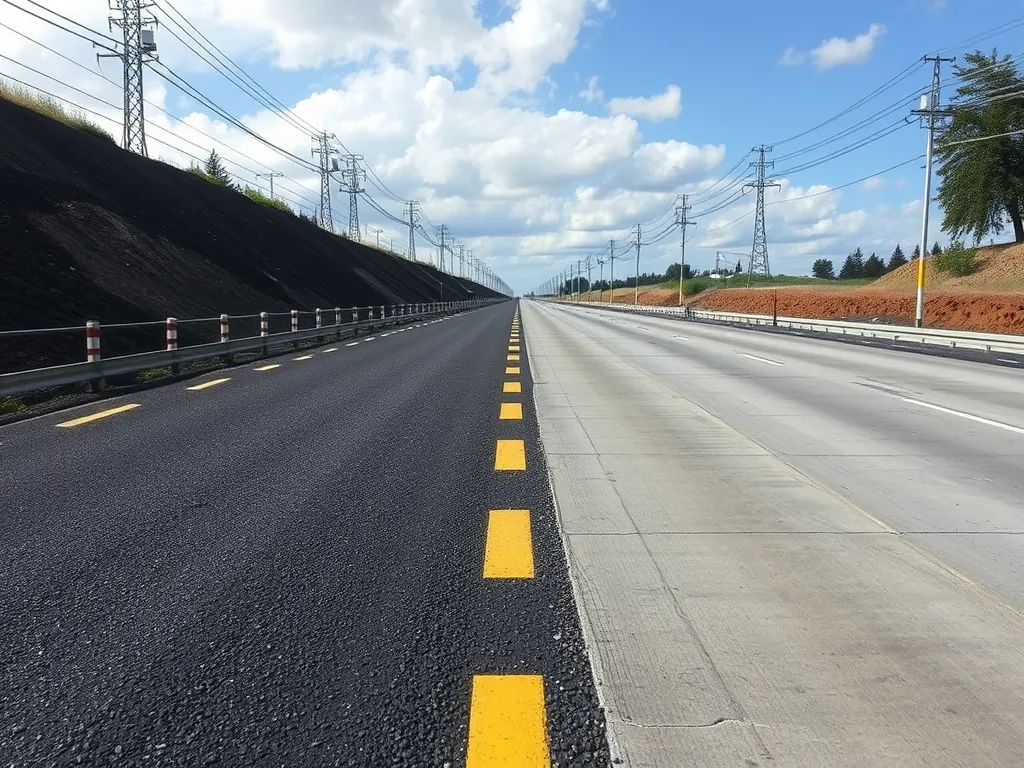
Material selection shapes budgets for roads, parking lots, and public spaces. Asphalt often outperforms alternatives economically, freeing up funds for other community needs.
Economic Comparison: Asphalt Vs. Concrete
Concrete lasts longer but carries higher upfront costs. Asphalt offers faster project completion and lower labor expenses, making it a go-to for cost-conscious municipalities.
Speed of Laying and Labor Cost Differences
Asphalt crews lay 500-800 tons daily, allowing roads to open within 24-48 hours. Concrete requires 7 days to cure, doubling labor hours. Towns save 30-40% on workforce expenses by choosing asphalt for time-sensitive projects like highway repairs.
Durability and Repair Cost Savings
Though concrete lasts 30+ years, cracks cost $4-$8 per square foot to fix. Asphalt lasts 15-20 years but repairs like sealcoating cost $0.15-$0.25 per square foot. Over two decades, asphalt maintenance averages 20% less than concrete.
Asphalt Vs. Brick Pavers
Brick pavers offer aesthetic appeal but strain municipal budgets. Asphalt’s lower material and labor costs let cities stretch funds across more projects.
Budget Flexibility for Municipal Projects
At $2-$5 per square foot, asphalt costs 75% less than brick pavers ($10-$20). A $500,000 budget paves 250,000 sq ft with asphalt versus 50,000 sq ft with brick. Reduced upkeep—like $1,200 per mile for crack sealing versus $15,000 for brick replacement—frees tax dollars for schools or emergency services.
These cost comparisons shape how towns allocate funds for public works. Up next: how asphalt-dependent projects fuel broader community growth.
Also See: How to Repair Cracks and Holes in Asphalt Driveways
Local Government and Asphalt Infrastructure
Local governments use asphalt infrastructure projects to drive economic growth. These initiatives support commerce, improve transportation networks, and fund public services through direct and indirect revenue streams.
Stimulating Economies Through Planned Projects
Strategic asphalt investments create ripple effects across communities. Every $1 million spent on asphalt infrastructure generates 11 full-time jobs, according to the National Asphalt Pavement Association. Projects prioritize durability while aligning with regional development goals.
Roadway Upgrades and Commercial Development
Smooth asphalt roads attract businesses. A 2022 study found commercial property values rise 8-12% near well-maintained arterial roads. Cities like Tulsa, Oklahoma, reported 15% increases in retail openings after resurfacing key corridors with stone-matrix asphalt (SMA) mixes.
Airport Runways and Public Works Investments
Airports rely on asphalt for 85% of U.S. runways due to its rapid installation and fatigue resistance. Denver International Airport’s 2021 runway expansion used warm-mix asphalt, completing work 30% faster than concrete alternatives. These projects employ local contractors and boost regional logistics capacity.
Tax Revenue Generation From Asphalt-dependent Industries
Asphalt activities contribute $47 billion annually in state/local taxes. Key sources include:
- Sales taxes from 3,500+ U.S. asphalt plants
- Fuel taxes on 350 million tons of asphalt shipped yearly
- Property taxes from businesses requiring paved access
Texas counties collected $1.2 billion in 2023 from asphalt-related industries, funding schools and emergency services.
These fiscal benefits coexist with environmental considerations shaping modern asphalt practices…
Environmental Considerations in Asphalt Economics
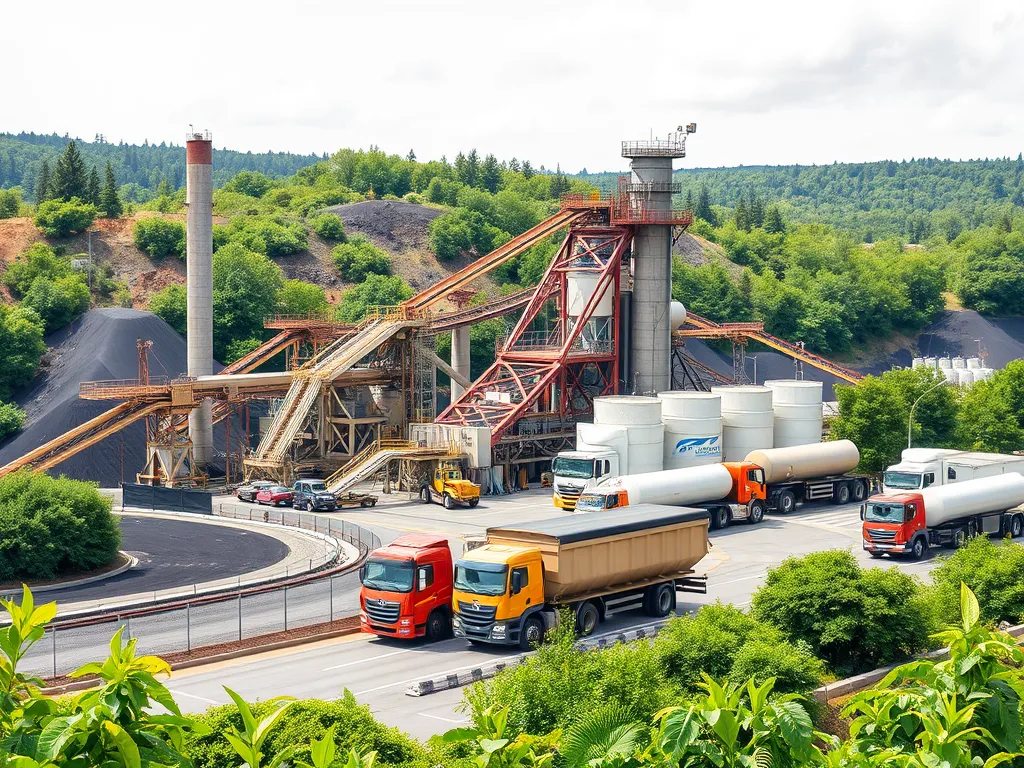
Balancing ecological responsibility with fiscal goals shapes asphalt’s role in community development. Modern methods merge cost efficiency with green practices, creating roads that serve both budgets and ecosystems.
Balancing Sustainability and Economic Priorities
Asphalt projects now prioritize designs that cut expenses while protecting natural resources. Permeable pavements and recycled materials lower lifecycle costs, making eco-friendly choices financially viable for towns and contractors.
Water Drainage and Runoff Management
Porous asphalt reduces stormwater fees by 60-70% in some regions. This material allows water to filter through, minimizing flood risks and the need for costly drainage systems. Municipalities save on infrastructure while meeting EPA stormwater regulations, freeing funds for other projects.
Recyclability of Asphalt Materials
Recycled Asphalt Pavement (RAP) makes up 94% of asphalt recycled annually in the U.S., slashing material costs by $2.50 per ton. Reclaimed roads require 20% less energy to process than virgin mixes, lowering production bills. Contractors pass these savings to local governments, stretching road budgets further.
Addressing Common Environmental Concerns
Advancements tackle historical criticisms without sacrificing asphalt’s economic edge. New technologies cut emissions and energy use while maintaining the material’s cost advantages over concrete or pavers.
Energy Use in Asphalt Production
Warm-mix asphalt technologies lower production temps from 300°F to 220°F, trimming fuel costs by 35%. Plants using reclaimed engine oil as a binder modifier report 18% lower energy bills. These efficiencies help keep paving costs stable even during energy price spikes.
Longevity vs. Ecological Footprint
PG-graded binders extend pavement life to 20+ years, delaying resurfacing costs. A single asphalt overlay costs 40% less than full reconstruction, allowing towns to allocate funds to schools or emergency services. Durable surfaces also reduce aggregate mining needs by 15% per decade through better reuse.
These environmental strategies set the stage for precise measurement of asphalt’s economic contributions. Next, we explore tools that quantify how road investments translate to community prosperity.
Tools for Measuring Asphalt’s Economic Impact
Tracking asphalt economic influence requires precise methods. Specialized resources allow cities to quantify how pavement projects drive financial growth while managing taxpayer funds effectively.
Cost-calculation Resources for Projects
Municipalities rely on asphalt-specific calculators to forecast expenses for infrastructure work. The National Asphalt Pavement Association (NAPA) offers tools like the EcoCalculator, which factors in recycling rates (up to 99% reusable) and energy savings from warm-mix technologies. Lifecycle cost analysis (LCCA) software, such as HIPERPAV, predicts maintenance needs over 30+ years, helping avoid unexpected budget strains.
Asphalt Quantity and Budget Estimation Tools
Three key resources streamline planning:
- Asphalt Institute’s Tonnage Calculator: Determines materials needed per square yard at set depths
- NAPA’s Pavement Economics Calculator: Compares initial vs long-term costs across 20-year cycles
- State DOT Apps: Provide localized pricing for materials, labor, and equipment
These tools cut project overruns by 15-20%, freeing funds for additional community upgrades. Texas DOT reported $8.7M saved in 2022 through accurate asphalt quantity forecasts.
With clear metrics shaping fiscal decisions, communities gain insights into balancing infrastructure needs with economic growth. Next, let’s tackle pressing questions about asphalt’s role in sustainable development.
FAQ: Asphalt’s Economic and Environmental Role
What Are the Negative Effects Of Asphalt on the Environment?
Asphalt can contribute to environmental issues such as urban heat islands, stormwater runoff, and resource depletion during production. However, advancements in sustainable asphalt technologies aim to mitigate these impacts through improved materials and manufacturing practices.
How Does Asphalt Production Affect Local Water Systems?
The production of asphalt can affect local water systems through runoff that may carry pollutants into waterways. However, implementing proper stormwater management practices and using permeable asphalt can help minimize these effects, promoting cleaner water sources.
What Makes an Asphalt Surface Economically Efficient?
Asphalt surfaces are economically efficient due to their lower initial installation costs, reduced long-term maintenance expenses, and the ability to be repaired quickly and affordably compared to other materials. This balance of cost and durability makes asphalt a budget-friendly choice for local governments.
Can Asphalt Sustainability Align With Cost Savings?
Yes, sustainable practices in asphalt production, such as the use of recycled materials and energy-efficient technologies, can reduce costs while promoting environmental responsibility. By adopting these practices, municipalities can achieve financial savings and ecological benefits simultaneously.
Closing Thoughts
Asphalt plays a significant role in bolstering local economies. Its use in infrastructure projects creates jobs, stimulates growth, and supports sustainable development. The cost-effectiveness of asphalt ensures communities can invest in vital projects without straining budgets.
The comparison between asphalt and other materials, like concrete and brick pavers, highlights asphalt’s advantages in installation speed and long-term savings. Furthermore, well-planned asphalt projects not only enhance infrastructure but also generate tax revenue, contributing to public services and community development.
As environmental concerns are addressed, the recyclability of asphalt materials stands out. This feature complements the economic benefits, demonstrating that fiscal responsibility can align with sustainable practices.
For more insights into how asphalt impacts local economies and resources for project cost estimation, visit Asphalt Calculator USA.
Additional Resources for You:
- Lavin, P. (2003). Asphalt Pavements: A Practical Guide to Design, Production, and Maintenance for Engineers and Architects. London: Taylor & Francis.
- Asphalt Manufacturing in the US – Market Research Report (2015-2030)
- Evaluating the economic and environmental impacts of road pavement using an integrated local sensitivity model – ScienceDirect
- The Environmental Impact of Asphalt Plants
- Industry Focus: Creating Value in Asphalt Paving – Ironline Advisors