Design Trends for Asphalt Walkways
Published on: November 10, 2025 | Last Updated: April 14, 2025
Written By: George Voss
Asphalt walkways are evolving beyond basic black paths. Modern designs blend curved layouts, decorative stone edging, and multi-color schemes with durable materials like polymer-modified binders (chemicals that boost weather resistance) and recycled aggregates. These trends transform simple pathways into eye-catching landscape features for both homes and businesses. Homeowners now mix asphalt with gravel strips or stamped concrete borders, while contractors use advanced techniques like warm-mix asphalt (produced at lower temps) for smoother finishes.
This guide explores popular asphalt walkway innovations from textured surfaces to integrated lighting. Learn how to pair pathways with floral borders, calculate project costs, and choose eco-friendly options like permeable asphalt. Get maintenance tips and design ideas that balance style with structural durability.
Contents
- Current Asphalt Walkway Design Innovations
- Integrating Landscaping With Asphalt Walkways
- Structural Considerations for Asphalt Pathways
- Cost Analysis for Asphalt Walkway Projects
- Maintenance Strategies for Long-lasting Appeal
- Environmental Impact Of Asphalt Walkways
- Frequently Asked Questions
- Final Thoughts on Asphalt Walkway Design
- Additional Resources for You:
Current Asphalt Walkway Design Innovations
Modern asphalt walkways now blend function with striking visual elements. Contractors use advanced techniques like PG 64-22 binders for flexibility and Superpave mixes for climate resistance. These methods support creative designs without sacrificing durability.
Curved and Winding Pathway Designs
Straight-line asphalt walkways are fading in favor of organic, flowing shapes. Curved designs reduce runoff by 15-20% compared to linear paths while creating visual interest. Architects use laser-guided grading tools to shape asphalt into serpentine forms for residential gardens or public parks. This approach pairs well with asphalt driveway trends emphasizing soft geometry over rigid angles.
Multi-toned Asphalt Color Schemes
Gray asphalt is getting a makeover with iron oxide pigments mixed into hot asphalt at 300°F. Contractors layer charcoal and slate tones to mimic natural stone, or add terracotta hues for warmth. A two-color stamping technique costs $8-$12 per sq.ft., offering budget-friendly customization. These schemes elevate the aesthetics of asphalt landscapes in commercial complexes or upscale homes.
Decorative Stone or Paver Edging
Borders of bluestone, brick, or concrete pavers prevent asphalt edge raveling while adding contrast. A 6-inch-wide granite edging adds $3-$7 per linear foot but extends pathway lifespan by 5-8 years. This hybrid approach merges asphalt’s affordability with high-end materials, popular in architect-designed asphalt walkways.
Integrated Lighting for Aesthetics and Safety
Recessed LED fixtures or solar-powered bollards are embedded during asphalt compaction. Low-voltage systems (12W-18W per fixture) cast ambient glows along pathways without overpowering. Lighting plans now follow IESNA standards for public spaces, reducing trip hazards by 40% in dusk-to-dawn usage.
Textured Asphalt Surfaces
Stamped asphalt patterns replicate cobblestone, slate, or wood grain using polyurethane molds. Exposed aggregate finishes reveal 3/8-inch crushed stone within the asphalt matrix, improving slip resistance (Skid Number ≥45). These textures work particularly well in sustainable asphalt walkways needing ADA-compliant surfaces.
Mixed Material Combinations
Designers intersperse asphalt with gravel insets or stone mosaics. A common layout: 48-inch asphalt main path with 12-inch decomposed granite shoulders. Joints use rubberized crack fillers (ASTM D6690 compliant) to handle material expansion. This trend dominates garden asphalt walkways, blending permeability with artistic flair.
These innovations set the stage for deeper collaboration between hardscape and greenscape elements. Next, we’ll explore how strategic landscaping enhances asphalt pathway functionality and beauty.
Integrating Landscaping With Asphalt Walkways
Blend hardscapes with nature for paths that feel part of the land. Smart plant picks and built features boost curb appeal while keeping walks functional.
Floral and Greenery Borders
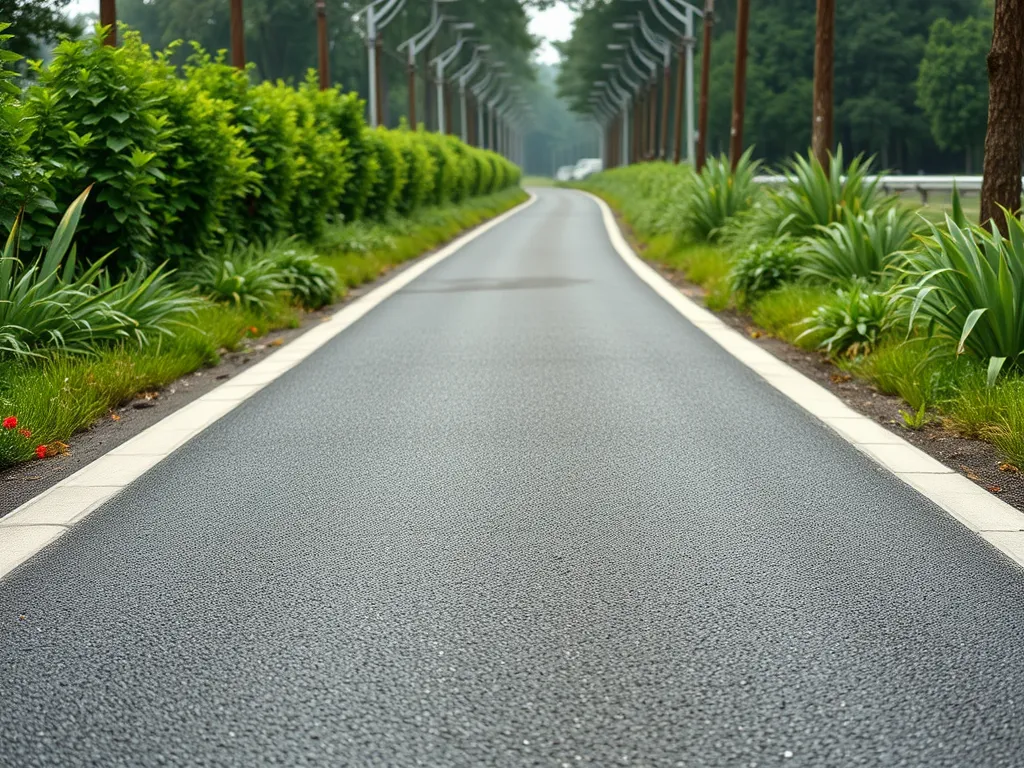
Frame paths with low shrubs like boxwood or bright perennials such as lavender. These soft edges cut the look of plain asphalt. Leave 12-18 inches between plants and the walk to stop root harm. Mulch beds lock in moisture and block weeds.
| Plant Type | Spacing | Height |
|---|---|---|
| Dwarf Mondo Grass | 6-8″ | 4-6″ |
| Sedum | 12-18″ | 8-10″ |
| Liriope | 12-24″ | 12-18″ |
Archways and Trellis Accents
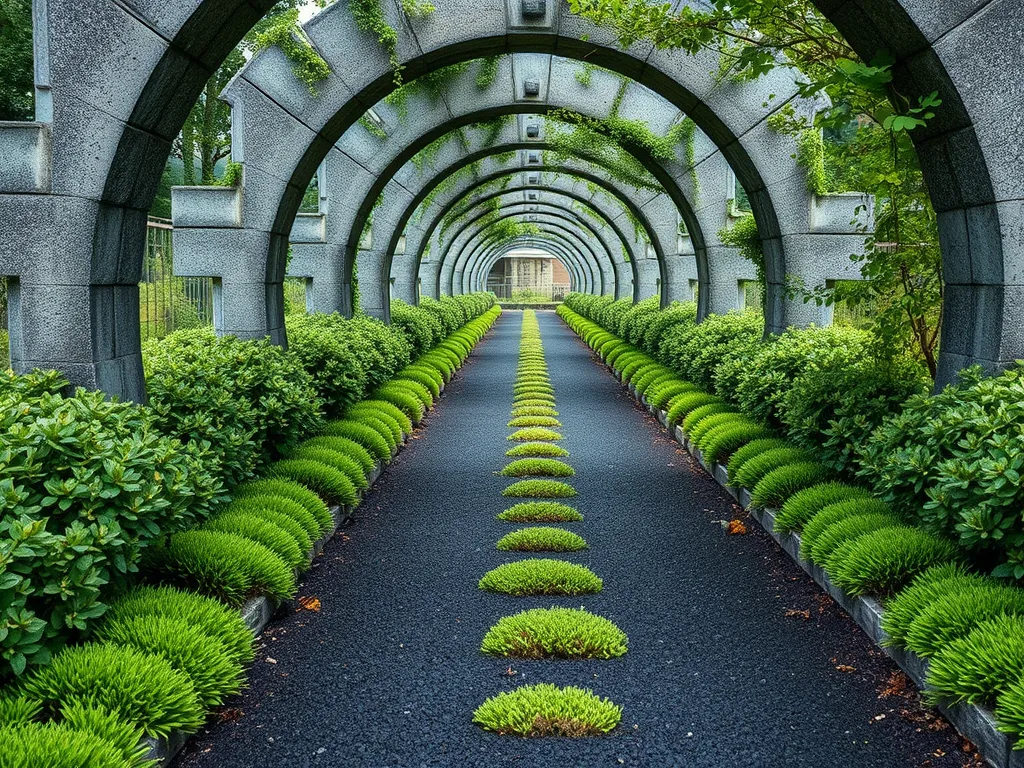
Add steel or wood frames over walks for vertical flair. Train vines like clematis or jasmine to climb. Set arches 7-8 feet high for clear walk space. Use rust-proof fixings in wet zones.
Walkable Garden Integration
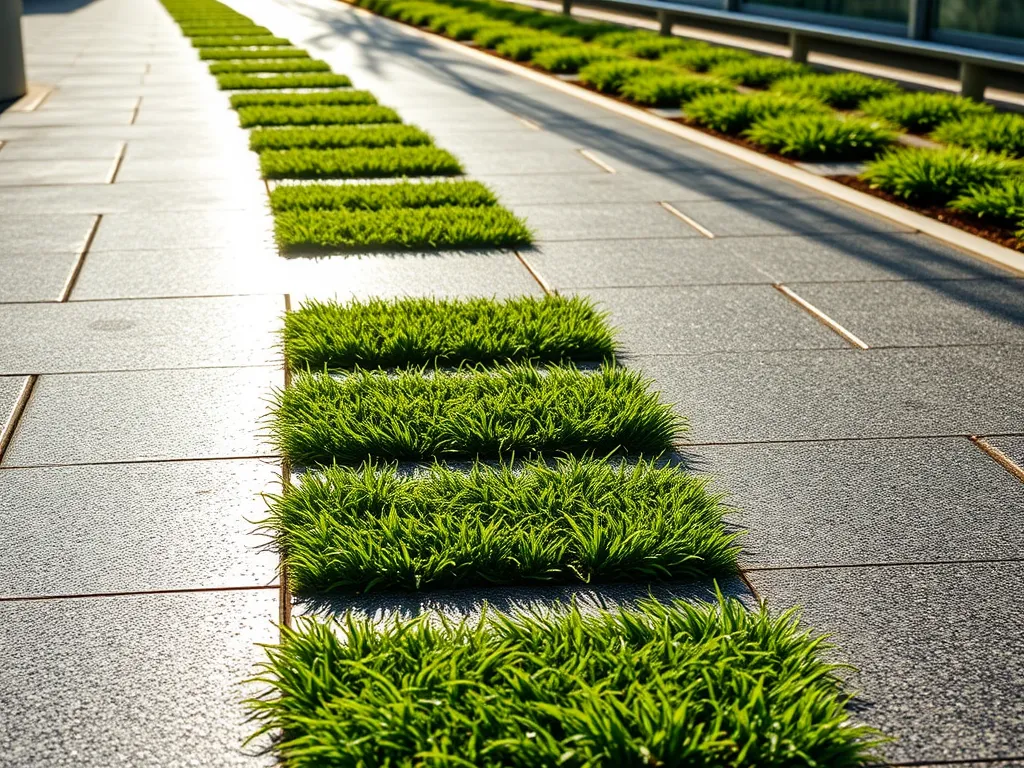
Weave plants into the path itself for a green touch. Plant woolly thyme or moss between asphalt gaps. Add stone or brick edging to mark garden zones. Permeable asphalt lets rain soak through to roots below.
As design blends with nature, the base under your path needs equal care. Next, we break down the bones that keep walks strong for years.
Structural Considerations for Asphalt Pathways
Long-lasting asphalt walkways start with smart structural planning. Mixing visual goals with physical demands guarantees paths stay functional through harsh conditions and constant foot traffic.
Optimal Thickness for Durability
Asphalt walkways last 10-20 years with proper depth. Residential paths work at 2-3 inches using PG 58-28 binders. High-traffic public walkways need 3-4 inches with Superpave mixes for stability. Adding a 4-6 inch crushed stone base boosts longevity, cutting long-term repair costs by up to 40%.
Proper Slope and Drainage Planning
A 2% slope (1/4 inch drop per foot) stops water pooling. Cross-slope designs or trench drains work for flat lots. Permeable asphalt options let 5 gallons of water per minute pass through each square foot, pairing drainage with sustainability goals. This stops frost heave in cold zones and rutting in humid areas.
Load-bearing Requirements for Different Uses
Paths built just for foot traffic need 3000-lb Marshall stability mixes. Walkways handling bikes or light carts require HMA (Hot Mix Asphalt) with 4000-lb ratings. For spots with occasional car access, like driveway-adjacent walkways, 6-inch bases with geogrid reinforcement add vital support. Always match compaction to usage—92% density for homes, 95% for public spaces.
Balancing structural planning with budget factors shapes project success. Up next: breaking down costs for stylish asphalt walkways that hold up to daily demands.
Also See: Aggregate Size Impact on Asphalt Strength
Cost Analysis for Asphalt Walkway Projects
Smart financial planning forms a foundation for bringing stylish asphalt path visions to life. From tinted pavements to curvilinear layouts, costs shift based on material quality, labor inputs, and structural demands.
Material and Labor Cost Factors
Asphalt walkway pricing hovers between $5-$12 per sq.ft. Hot-mix asphalt (HMA) with PG 64-22 binder runs $3.50-$6.50 per sq.ft. for materials. Labor adds $2-$5.50 per sq.ft., influenced by:
- Site grading complexity (sloping vs. flat terrain)
- Drainage systems like catch basins or French drains
- Custom shaping for winding asphalt path design
- Add-ons: colored coatings, stone borders, stamped textures
Comparing Asphalt to Other Pathway Materials
Asphalt outcompetes many walk surfacing options in initial costs and long-term value:
| Material | Cost per sq.ft. | Lifespan |
|---|---|---|
| Asphalt | $5-$12 | 15-25 yrs |
| Concrete | $8-$18 | 20-40 yrs |
| Pavers | $12-$30 | 25-50 yrs |
| Gravel | $1.50-$4 | 5-10 yrs |
While pavers last longer, asphalt’s 95% recyclability and low upkeep make it a go-to for sustainable asphalt walkways.
Using an Asphalt Calculator for Budget Planning
Digital tools like Asphalt Calculator USA’s walkway estimator factor in:
- Walk dimensions (length/width)
- Compact base depth (4-6” typical)
- Local HMA pricing (varies by region)
Plugging in a 3’x50’ path with 4” compact base shows 5.5 tons of asphalt needed. At $85/ton, materials cost $467.50. Adding $3.50/sq.ft. labor brings total to $1,022.50.
With a solid grasp of costs, shifting focus to upkeep tactics ensures asphalt’s visual charm lasts through harsh sun, foot traffic, and frost cycles.
Maintenance Strategies for Long-lasting Appeal
Preserving the visual and structural integrity of asphalt walkways requires targeted care. Proactive maintenance protects both functionality and design elements like color schemes or textured surfaces.
Routine Cleaning and Sealcoating
Pressure wash walkways biannually to remove dirt and organic stains. Sealcoating every 2-3 years shields against UV rays, oil spills, and de-icing chemicals. Use coal-tar or asphalt-based sealants ($0.15–$0.25 per sq ft) to maintain rich color tones in multi-toned designs. This step is critical for sustainable asphalt walkways, extending surface life by up to 10 years.
Repairing Cracks and Surface Damage
Address cracks wider than 1/4″ promptly with polymer-modified fillers. For potholes, excavate damaged areas and compact hot-mix asphalt patches. Timely repairs prevent water infiltration, which destabilizes the base layer. Budget $1–$3 per linear foot for crack sealing—a cost-effective way to safeguard intricate asphalt paving designs.
Seasonal Care Recommendations
Spring: Clear debris from joints to prevent weed growth. Summer: Remove oil stains within 48 hours to avoid permanent discoloration. Fall: Keep drains uncluttered to manage leaf buildup. Winter: Use calcium chloride instead of rock salt on garden asphalt walkways to minimize surface erosion. Adjust care routines for textured asphalt surfaces to preserve slip resistance.
These strategies ensure modern asphalt walkways remain both functional and visually cohesive with evolving asphalt driveway trends. Next, we examine how material choices impact ecological footprints.
Environmental Impact Of Asphalt Walkways
Modern asphalt walkways balance style with eco-conscious practices. Builders now prioritize materials and methods that reduce environmental strain while maintaining durability.
Recycled Material Usage
Recycled asphalt pavement (RAP) dominates sustainable asphalt walkway design. RAP mixes 30-50% reclaimed asphalt with virgin aggregates and binder, cutting material costs by 20-30%. This reduces landfill waste—94 million tons of RAP were reused in 2022 alone. Contractors use PG 64-22 binders to ensure recycled blends meet ASTM D3515 standards for walkways.
| RAP Content | Cost Savings | CO2 Reduction |
|---|---|---|
| 30% | 18-22% | 15% |
| 50% | 25-30% | 28% |
Permeable Asphalt Options
Permeable asphalt pathways manage stormwater with 18-21% void spaces, draining 500+ gallons per hour. This porous design prevents pooling and reduces runoff by 75% compared to traditional pavements. Ideal for garden asphalt walkways, it supports root systems when paired with native plant borders. Installers layer 6-8 inches of crushed stone beneath the asphalt for optimal filtration.
Heat Absorption Mitigation Techniques
Light-colored asphalt sealants with titanium dioxide (TiO2) reflect 30-40% more sunlight than standard blacktop, lowering surface temps by 10-15°F. Solar reflectance index (SRI) values above 29 meet LEED credits for urban heat island reduction. Some designs intersperse grass pavers every 36 inches, adding greenery while maintaining walkability.
As environmental considerations shape modern walkways, practical questions about installation and care arise. Let’s address common queries about maintaining both form and function.
Frequently Asked Questions
How to Make an Asphalt Walkway Look Aesthetically Pleasing?
To enhance the aesthetic appeal of an asphalt walkway, consider integrating decorative elements such as colored aggregates, patterned textures, or decorative borders using stones or pavers. Planting greenery or flowers alongside the path can also soften its appearance and create a more inviting atmosphere.
What’s the Recommended Thickness for Residential Asphalt Walkways?
The recommended thickness for residential asphalt walkways typically ranges from 2 to 3 inches. However, the specific thickness may vary based on expected traffic and environmental conditions.
What Factors Influence Asphalt Walkway Installation Costs?
Several factors influence the installation costs of asphalt walkways, including the quality of materials used, labor costs, site grading complexity, any drainage requirements, and whether decorative features or custom shapes are involved in the design.
How to Maintain the Appearance Of New Asphalt?
To maintain the appearance of new asphalt, regularly clean the surface to remove debris and stains. Additionally, apply sealcoating every two to three years to protect against UV rays and weather damage. Timely repairs of cracks and surface damage also help preserve the walkway’s visual appeal.
Final Thoughts on Asphalt Walkway Design
Asphalt walkways offer more than just functionality; they embody style and innovation. Embracing trends like multi-toned color schemes and integrated lighting can transform a simple path into a stunning focal point. Curved designs and textured surfaces enhance both aesthetics and safety, while mixed materials open new design possibilities.
Incorporating landscaping elements such as floral borders and garden integrations complements asphalt’s sleekness. Proper structural planning ensures these walkways withstand heavy use while remaining visually appealing.
Whether planning a residential or commercial project, considering cost factors and maintenance strategies is crucial. Regular upkeep ensures longevity, maintaining the walkways’ beauty over time.
For comprehensive resources and tools, check out Asphalt Calculator USA. Stay ahead of the curve in asphalt walkway design!
Additional Resources for You:
- Yoder, E. J., & Witczak, M. W. (1975). Principles of Pavement Design (2nd ed.). New York, NY: Wiley.
- Creative Ideas for an Asphalt Walkway – JR Paving & Construction Co., Inc.
- 5 Steps to a Handsome Asphalt Walkway – JR Paving & Construction Co., Inc.
- Techo-Bloc Homeowner Blog | Landscape Inspiration | paver and asphalt driveway ideas
- Industry Trends Shaping the Future of Asphalt Construction