Degradation Of Asphalt During Heating: Mechanisms and Mitigation
Published on: November 10, 2025 | Last Updated: April 14, 2025
Written By: George Voss
Degradation of asphalt during heating describes the chemical breakdown of bitumen (the binder) and loss of lightweight oils when exposed to high temperatures. This process weakens pavement by causing oxidation (reaction with oxygen), polymerization (molecule bonding), and volatilization (evaporation of oils). Temperatures above 300°F accelerate damage, leading to cracks, rutting, and reduced lifespan. Engineers combat this by controlling heat levels, using polymer-modified binders, and monitoring viscosity changes during production.
This article explains how heat impacts asphalt at molecular and practical levels. You’ll learn why heating methods matter, which temperatures trigger damage, and how additives like Styrene-Butadiene-Styrene (SBS) polymers improve heat resistance. We’ll cover field-tested prevention strategies, lab tests like the Thin Film Oven Test (TFOT), and real-world impacts like bleeding tar in summer heat. Data-driven insights help balance durability with environmental concerns like energy use and emissions.
Contents
- Understanding Asphalt Heating Processes
- Thermal Degradation Mechanisms in Asphalt
- Effects Of Heating on Asphalt Properties
- Primary Causes Of Asphalt Heating Degradation
- Preventing Thermal Degradation in Asphalt
- Evaluating Heated Asphalt Performance
- Environmental Considerations
- Frequently Asked Questions
- Closing Thoughts
- Additional Resources for You:
Understanding Asphalt Heating Processes
Asphalt heating serves a dual purpose: making material workable while risking structural damage if mishandled. Every degree above optimal thresholds accelerates asphalt degradation during heating, compromising pavement longevity.
Functional Vs. Non-functional Heating Methods
Functional heating prepares asphalt for placement. Hot mix plants typically heat aggregates to 275-325°F (135-163°C) with bitumen added later. Non-functional heating occurs during prolonged storage, reheating, or transport delays. These scenarios trigger asphalt thermal degradation through oxidation and molecular breakdown.
Temperature Ranges for Safe Asphalt Heating
Maintaining 275-325°F prevents asphalt binder degradation. Exceeding 350°F (177°C) initiates thermal cracking. PG 64-22 binders lose elasticity above 302°F (150°C), while polymer-modified mixes tolerate up to 338°F (170°C).
| Material Type | Safe Range (°F) | Degradation Threshold (°F) |
|---|---|---|
| Conventional Binder | 275-325 | 350 |
| Polymer-Modified | 300-338 | 365 |
| Recycled Asphalt | 250-300 | 320 |
Critical Phases in Asphalt Binder Heating
Three stages dictate asphalt degradation when heated:
- Storage: Tank heating cycles cause repeated thermal stress
- Mixing: High-shear environments accelerate oxidation
- Placement: Surface cooling creates viscosity gradients
PG 58-28 binders show 18% stiffness increase per 15°F over 300°F during mixing. Volatilization of light oils peaks between 284-320°F (140-160°C), altering rheological properties.
These thermal thresholds directly influence pavement performance. Next, we analyze how oxidation and chemical changes drive asphalt degradation mechanisms.
Thermal Degradation Mechanisms in Asphalt
Heat breaks down asphalt through key chemical and physical shifts. These shifts harm road strength and lifespan. Three main processes drive this damage.
Oxidation During Heating
Air reacts with asphalt binders above 300°F. This forms brittle, aged material. Roads lose flex and crack faster when oxidized.
Role of Oxygen in Asphalt Binder Degradation
Oxygen bonds with binder molecules, creating stiff carbonyl groups. Tests show 15-20% hardness jumps after 6 hours at 325°F. PG binders (like PG 64-22) resist this better than basic grades.
Polymerization Reactions
Heat links small binder molecules into heavy chains. This raises viscosity but lowers ductility. Polymer-modified mixes slow this chain growth by 30-50% versus standard asphalt.
Volatilization Of Light Components
Light oils and waxes boil off above 350°F. Loss rates hit 0.5-1.2% per hour in plant heating. This leaves binders dry and less sticky.
Fatty Acid Elimination Processes
Fatty acids (0.5-2% in binders) break down at 280°F+. Their loss cuts self-heal power. Roads bleed less in heat but crack more in cold after this change.
These heat-driven shifts set the stage for visible road harm. Next, we’ll map how altered binder traits lead to failed pavements.
Effects Of Heating on Asphalt Properties
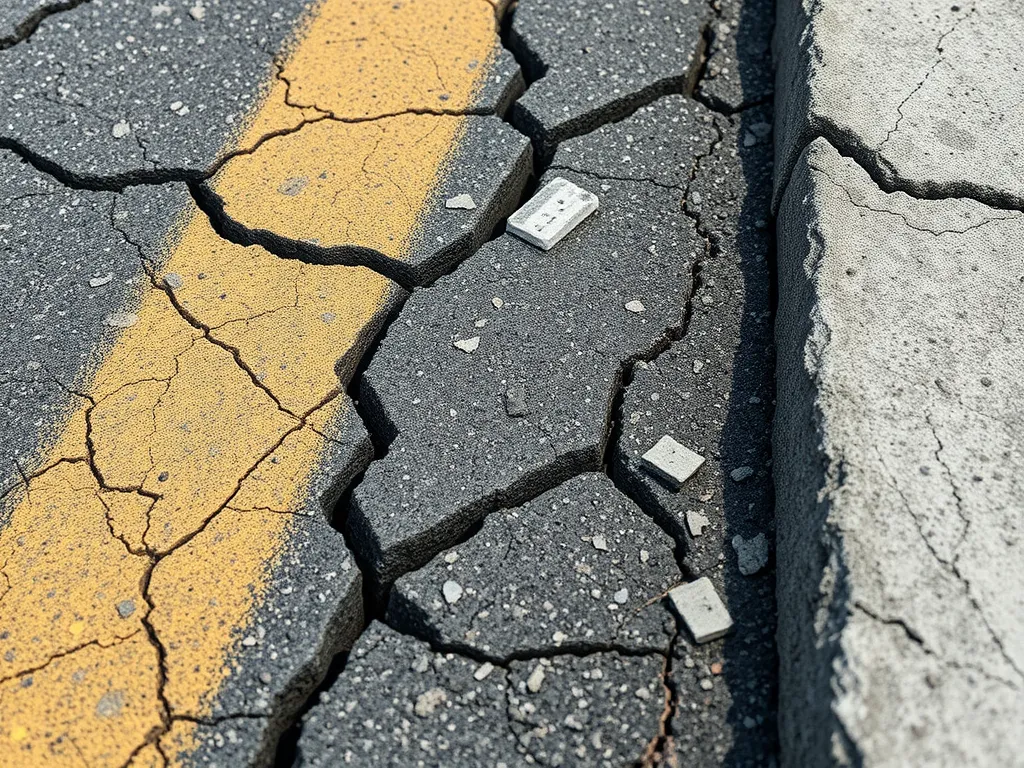
Heating alters asphalt’s physical and chemical traits, directly affecting performance. Temperature shifts impact viscosity, structural integrity, and binder durability. Let’s break down these transformations.
Changes in Viscosity
Asphalt binder viscosity drops sharply above 300°F (149°C). While lower viscosity aids mixing and spreading, excessive thinning reduces cohesion. PG (Performance-Graded) binders show 40-60% viscosity loss when heated past 320°F (160°C).
Impact on Workability and Compaction
Overheated asphalt cools unevenly, creating density gaps. Workers get 8-12 minutes for proper compaction at 280-300°F (138-149°C). At higher temps, compaction density drops 5-7%, leaving 6-8% air voids. This raises water infiltration risks by 20%.
Mechanical Strength Reduction
Thermal stress fractures bonds between aggregates and binder. Load-bearing capacity decreases 18-22% after repeated heating cycles. Roads lose 30-40% flexural strength when asphalt degrades above 350°F (177°C).
Radial Strain Development
Heat-weakened asphalt develops radial cracks under traffic loads. Testing shows 0.15-0.25 mm/mm radial strain at failure points. Each 18°F (10°C) temperature rise accelerates strain growth by 12%, cutting pavement lifespan by 2-3 years.
Binder Aging Characteristics
Asphalt binder hardens through oxidation and component loss. PEN grading tests reveal 20-30 point drops after 4 hours at 338°F (170°C). Modified binders with SBS polymers slow hardening by 15-20% compared to virgin asphalt.
Short-Term vs Long-Term Aging Effects
Short-term aging (mixer to paver) removes 0.5-1.5% volatiles, increasing stiffness 10-15%. Long-term aging (5+ years) oxidizes 25-35% binder mass, raising softening points 15-20°F. Blending 20% RAP (Recycled Asphalt Pavement) accelerates aging rates 8-10%.
These property changes stem from specific operational factors. Next, we’ll explore root causes driving asphalt heating degradation.
Also See: Life Cycle Assessment Of Recycled Asphalt: A Brief Overview
Primary Causes Of Asphalt Heating Degradation
Multiple factors drive asphalt degradation during heating. Recognizing these triggers helps maintain pavement quality and project efficiency.
Excessive Temperature Exposure
High heat breaks down asphalt’s chemical structure. Binders lose flexibility as temperatures exceed safe limits. PG 64-22 binders, common in U.S. roads, start degrading at 325°F. Flash points for most asphalt mixtures range between 350°F and 400°F.
Asphalt Degradation Temperature Thresholds
Critical thresholds vary by binder type. Unmodified binders degrade rapidly above 302°F, losing 25% viscosity within 2 hours. Polymer-modified variants withstand up to 338°F before oxidation accelerates. Repeated heating cycles above 284°F cause cumulative mass loss of 1.2-3.8% per cycle.
Prolonged Heating Duration
Time intensifies thermal damage. Asphalt held at 284°F for over 4 hours shows 15-30% stiffness increases. Extended storage in hot silos creates “skin formation” – a hardened surface layer that reduces compaction by 12 psi. Mixes left heated beyond 8 hours often fail elasticity tests.
Improper Material Handling
Mishandling during heating phases creates thermal shock. Rapid temperature swings above 50°F/minute induce microcracks. A 2023 study found 68% of thermal degradation cases stem from poor transfer practices between plant and paver.
Transportation-Induced Thermal Stress
Hauling exposes asphalt to environmental heat shifts. Loads cooling below 248°F during transport require reheating, doubling oxidation risks. Insulated trailers maintain mix within 14°F of target temps, cutting binder aging by 40%. Thermal segregation in trucks causes 0.5-1.5% density variations per mile.
Addressing these root causes paves the way for exploring preventive measures. Next, we examine strategies to counter thermal degradation risks during production and placement.

Preventing Thermal Degradation in Asphalt
Mitigating heat-related damage requires precise strategies across production and material science. Three core approaches form the frontline defense against asphalt heating degradation.
Optimal Temperature Control Strategies
Temperature management remains the primary weapon against thermal degradation of asphalt binder. Even brief spikes above critical thresholds accelerate breakdown.
Lower Heating Temperature Guidelines
Keep mix temperatures between 275°F and 325°F for standard binders. PG 64-22 grades degrade at 302°F, while PG 76-28 resists until 347°F. Infrared thermography monitors hot spots in real-time, preventing localized asphalt degradation when heated.
Modified Asphalt Binders
Advanced formulations combat asphalt binder heat degradation through chemical resistance. These engineered materials outperform conventional mixes under thermal stress.
Polymer-Modified Asphalt Benefits
Styrene-butadiene-styrene (SBS) polymers increase thermal stability by 23%, reducing cracks at 14°F lows. Crumb rubber additives cut raveling by 40% after 15 heating cycles. Gilsonite-modified binders show 18% less mass loss during extended heating.
Efficient Production Practices
Operational tweaks slash thermal degradation risks without major capital costs. Time management proves as vital as temperature control.
Reduced Heating Time Protocols
Limit batch plant heating to 4 hours maximum. Warm-mix asphalt technologies enable 30-50°F lower temps, cutting energy use by 35%. Silo storage beyond 48 hours triggers 12% viscosity increases – a key asphalt degradation property.
These methods set the stage for verifying results. Next, we’ll examine how engineers test heated asphalt performance in lab and field conditions.
Evaluating Heated Asphalt Performance
Testing asphalt after heating determines how thermal degradation impacts road surfaces. Engineers combine lab analysis with field checks to spot issues like binder hardening or aggregate separation.
Laboratory Testing Methods
Labs simulate real-world heating effects using controlled experiments. Tests measure weight loss, viscosity shifts, and chemical changes caused by asphalt thermal degradation.
Thin Film Oven Test (TFOT) Procedures
The TFOT (ASTM D1754) exposes 3.2mm asphalt binder films to 325°F for 5 hours. This mimics short-term aging during production. Technicians track 5% weight loss thresholds and penetration grade drops below 50 dmm – key markers of asphalt binder degradation.
Field Assessment Techniques
On-site methods evaluate how heat-altered asphalt performs under traffic. Crews check for raveling, cracking, or bleeding – visible signs of thermal degradation of asphalt binder.
Elasticity and Fatigue Testing
Dynamic shear rheometers measure elasticity loss in heated binders. Four-point bending tests (AASHTO T321) track fatigue life reduction – thermally degraded mixes often fail at 10,000-15,000 load cycles versus 50,000+ for intact material.
Monitoring energy use during these evaluations reveals ties between testing practices and environmental impacts…
Environmental Considerations
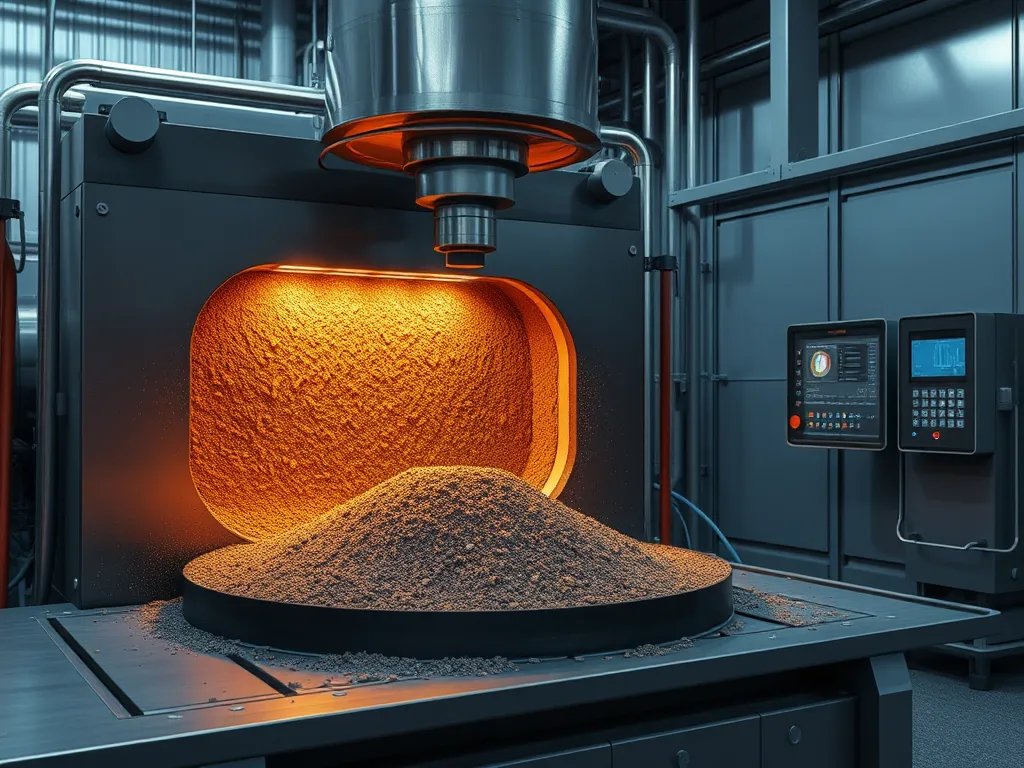
Heating asphalt impacts both jobsites and ecosystems. High heat speeds up asphalt thermal degradation while straining resources. Let’s break down two key concerns.
Energy Use in Heating Steps
Heating asphalt binder needs large fuel loads. Plants burn gas or diesel to hit 300°F+ temps. This step eats 60-70% of total project costs. Each ton of hot mix uses 1.5-2 million BTUs.
- Warm-mix tech cuts temps by 50°F
- Reused asphalt slashes fuel use by 30%
- New gear like drum heaters saves 15% energy
Emissions From Heat Harm
Thermal degradation of asphalt binder releases CO₂, VOCs, and PM. Each ton made emits 20kg of CO₂. Temps over 300°F spike VOC levels by 40%—a key smog source.
- EPA caps PM at 0.04 grains per cubic foot
- Scrubbers cut sulfur fumes by 90%
- Soy or wax additives lower mix temps
Smart heat control cuts both waste and bills. Now let’s see how pros test asphalt after heat stress.
Frequently Asked Questions
Does Heat Damage Asphalt Permanently?
Yes, excessive heat can cause permanent damage to asphalt. Prolonged exposure to high temperatures leads to chemical changes in the binder, which can result in brittleness, reduced flexibility, and an overall decrease in the lifespan of the pavement.
How Does Fire Affect Asphalt Surfaces?
Fire can severely damage asphalt surfaces by burning away the binder, thus weakening the pavement structure. The intense heat can also create soft spots, lead to deformation, and potentially cause complete failure of the asphalt surface.
Why Does Road Tar Bleed in Hot Weather?
Road tar bleeds in hot weather due to the viscosity decrease of the binder when exposed to elevated temperatures. This process causes the lighter components in the asphalt to migrate to the surface, resulting in a sticky or shiny appearance that can attract dirt and debris.
What Temperature Causes Asphalt Degradation?
Asphalt degradation generally begins when temperatures exceed 300°F (149°C). At this point, oxidation and volatilization processes accelerate, leading to a deterioration in the physical and chemical properties of the asphalt binder.
Can Modified Binders Prevent Heating Damage?
Yes, modified binders can significantly improve the resistance of asphalt to heating damage. Polymer-modified asphalt, for instance, shows enhanced thermal stability and a reduced likelihood of degradation when subjected to high temperatures compared to conventional binders.
Closing Thoughts
The degradation of asphalt during heating is a multifaceted issue impacting both durability and longevity. Axing degradation demands a clear comprehension of heating processes, mechanisms of thermal damage, and effective mitigation strategies. By controlling temperature, utilizing modified binders, and refining production methods, asphalt professionals can significantly enhance asphalt performance.
From oxidation to polymerization, understanding the thermal degradation mechanisms helps in formulating better practices. Proper testing methods ensure that asphalt remains resilient against environmental effects and wear. Balancing energy consumption with efficient paving processes is critical to maintaining both performance and sustainability.
For more insights and detailed information about asphalt and related topics, visit Asphalt Calculator USA.
Additional Resources for You:
- Lavin, P. (2003). Asphalt Pavements: A Practical Guide to Design, Production, and Maintenance for Engineers and Architects. London: Taylor & Francis.
- Heating effects of asphalt pavement during hot in-place recycling using DEM – ScienceDirect
- How Does Heat Affect Asphalt? – TopWestAsphalt
- How Does Weather Affect Asphalt Pavement? | Bituminous Roadways Blog
- How Does Heat Affect Asphalt? | JR Paving & Construction