Create Your Dream Driveway: Asphalt Customization Options Explained
Published on: November 10, 2025 | Last Updated: April 14, 2025
Written By: George Voss
Customization options for asphalt driveways let you tailor materials, designs, and features to match your home’s style and functional needs. Contractors mix aggregates (crushed stone), binders like PG 64-22 asphalt cement, and additives to create surfaces ranging from basic blacktop to colored finishes with stamped patterns. Choices like curved layouts, textured anti-skid surfaces, or recycled asphalt pavement (RAP) blends affect both appearance and performance. Custom designs typically cost 15-40% more than standard installations but boost curb appeal and property value.
This guide breaks down asphalt driveway personalization from start to finish. Learn how shape variations impact installation costs. Compare smooth vs. textured finishes for ice resistance. Explore color techniques like integral pigments or tinted sealcoats. We’ll detail material combos with pavers, drainage upgrades, and maintenance plans for custom surfaces. Cost charts show price differences between basic and premium designs, including 20×20 driveway examples.
Contents
- Introduction to Asphalt Driveway Customization
- Asphalt Driveway Design Options
- Functional Asphalt Driveway Features
- Material Combinations With Asphalt
- Durability Considerations for Custom Asphalt
- Cost Analysis for Customized Asphalt Driveways
- Eco-friendly Asphalt Customization
- Maintenance Of Customized Asphalt Surfaces
- Frequently Asked Questions
- Closing Thoughts
- Useful References for You:
Introduction to Asphalt Driveway Customization
Modern asphalt driveways go beyond basic black surfaces. With today’s paving innovations, property owners can tailor driveways to match architectural styles and functional needs. Customization spans from curving layouts to color-infused mixtures, blending practicality with curb appeal.
The core components—crushed stone aggregates bound by bitumen (a sticky petroleum binder)—allow flexibility in shaping and surfacing. Advanced mixing methods now integrate pigments during production, offering hues from warm terracotta to cool slate. Surface treatments like stamping or stenciling add stone-like textures without sacrificing asphalt’s weather resistance.
Functional upgrades merge with visual choices. Ribbed edges guide water runoff, while anti-slip additives boost safety on sloped sections. Combining asphalt with brick borders or inlaid pavers creates definition along property lines.
Long-lasting performance remains key. UV-stable sealcoating protects colored surfaces, maintaining vibrancy for up to 8 years before recoating. Proper compaction during installation—achieving 92-96% density—forms a solid base for decorative elements.
From basic 20×20 layouts to sprawling multi-car configurations, asphalt adapts. Costs start at $3-$5 per square foot for standard builds, rising to $8+ for complex designs. This mix of adaptability and affordability fuels its popularity in residential paving.
Ready to turn ideas into pavement? Let’s dig into specific design options that shape your driveway’s look and function.
Asphalt Driveway Design Options
Owners aiming to boost curb appeal find asphalt’s flexibility surprising. From basic paths to artistic layouts, this material adapts to both traditional and modern visions.
Shape and Layout Variations
Driveway forms impact functionality and visual flow. Choices span organic curves to sharp angles, mixing practicality with artistic flair.
Curved vs. Straight Asphalt Driveway Designs
Curving paths work with natural land contours, cutting soil shifting by 15-20% on slopes. Straight layouts suit compact lots, simplifying snow removal. Radius turns (8-12 ft minimum) maintain car access without trimming plants.
Geometric Patterns and Decorative Borders
Adding lines or shapes transforms plain pavement. Cut-in borders using contrasting aggregates (1-2” width) frame driveways. Diamond stamping costs $3-$5/sq ft, lasting 8-12 years with annual coating.
Surface Texture Customization
Finish impacts grip and style. Asphalt’s hot mix allows shaping during installation, from glassy smoothness to rugged traction.
Smooth vs. Textured Asphalt Finishes
Rolling with 10-ton compactors creates flat surfaces for sports or classic looks. Brushed finishes (3-5 mm grooves) slash hydroplaning risks, improving friction by 40% in rain.
Stamped Asphalt Effects and Stenciling
Imprint mats form brick or slate illusions before cooling. Oil-based stains add depth, lasting 5-7 years. Stencils apply crisp logos or family crests using UV-stable paints ($1.50-$3/sq ft).
Color Enhancement Techniques
Gray isn’t your only option. Modern tinting methods shift asphalt from drab to dynamic.
Integral Color Mixing During Installation
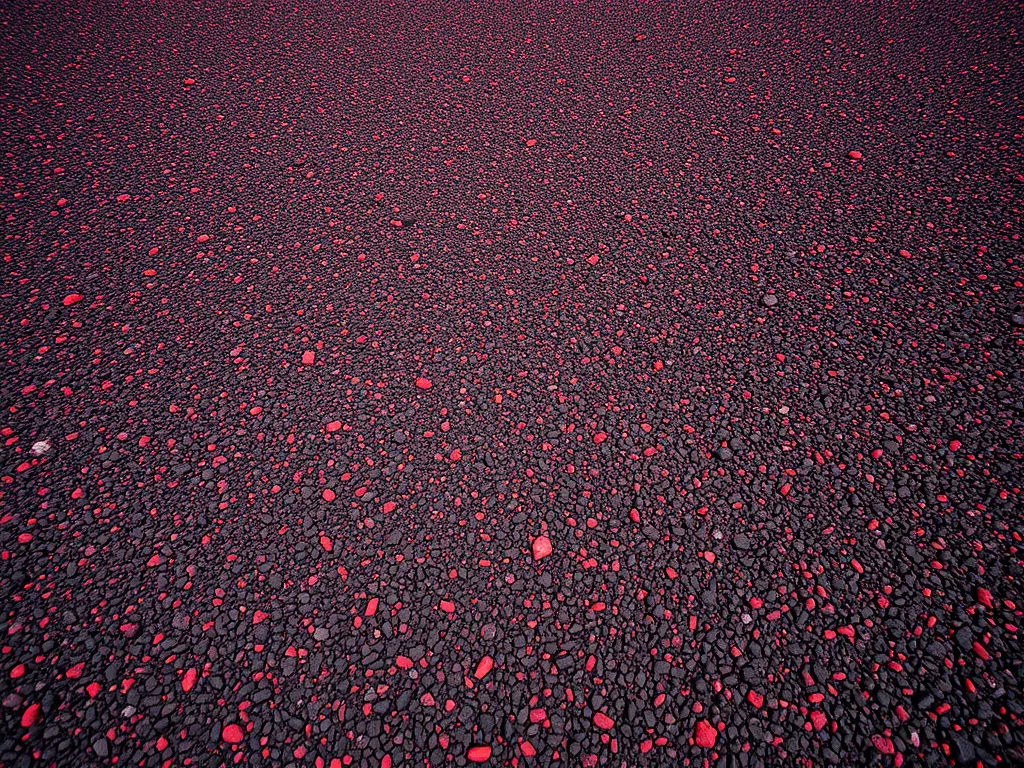
Blending iron oxide pigments (5-8% by weight) into hot mix produces rich browns, reds, or charcoal. Costs climb 20-30%, but colors stay vibrant 10-15 years without fading.
Tinted Sealcoating Options
Acrylic-based coal tar substitutions now offer black, green, or terra cotta coatings. Two layers add shade shifts and shield against UV harm, with touch-ups needed every 2-3 years.
With visual goals set, it’s vital to pair looks with practicality. Next, tools that boost safety and function without sacrificing style.
Functional Asphalt Driveway Features
Beyond visual upgrades, modern driveways prioritize utility. Performance-focused modifications blend seamlessly with design choices to boost safety, manage runoff, and define space. Let’s explore three features that elevate both function and form.
Anti-skid Surface Treatments
Skid-resistant finishes combat slippery surfaces during rain or snow. Contractors apply polymer-modified sealcoats mixed with calcined bauxite or quartz aggregates. These treatments improve traction without dulling the pavement’s appearance. Tests show skid numbers increase by 30-40% compared to standard sealcoats. Expect to spend $0.50-$1.50 per sq. ft. based on material choice.
Custom Drainage Integration
Proper water management prevents erosion under the surface. Options include trench drains along the edges, permeable asphalt strips, or subsurface catch basins. Cross-slope designs with 1-2% pitch direct runoff toward designated zones. Permeable mixes containing 30% recycled materials allow 5-7 gallons of water per minute to filter through each sq. ft., reducing pooling risks.
Reinforced Edges for Property Lines
Steel-reinforced curbs or composite borders prevent edge crumbling. Contractors install these using vibratory rollers during compaction. Reinforced edges handle up to 12,000 pounds of lateral force, ideal for driveways bordering flower beds or supporting heavy vehicles. Choose from modular concrete units or hot-poured rubberized edging for flexibility in curved layouts.
With core structural elements in place, the next step merges form with neighboring surfaces. Explore how mixed materials create visual harmony between pavement and surroundings.
Also See: 5 Benefits Of Using Reclaimed Asphalt
Material Combinations With Asphalt
Mix asphalt with other materials to boost curb appeal. Pair it with stone, brick, or plants for unique looks. These combos add style while keeping asphalt’s strength.
Decorative Stone or Brick Borders
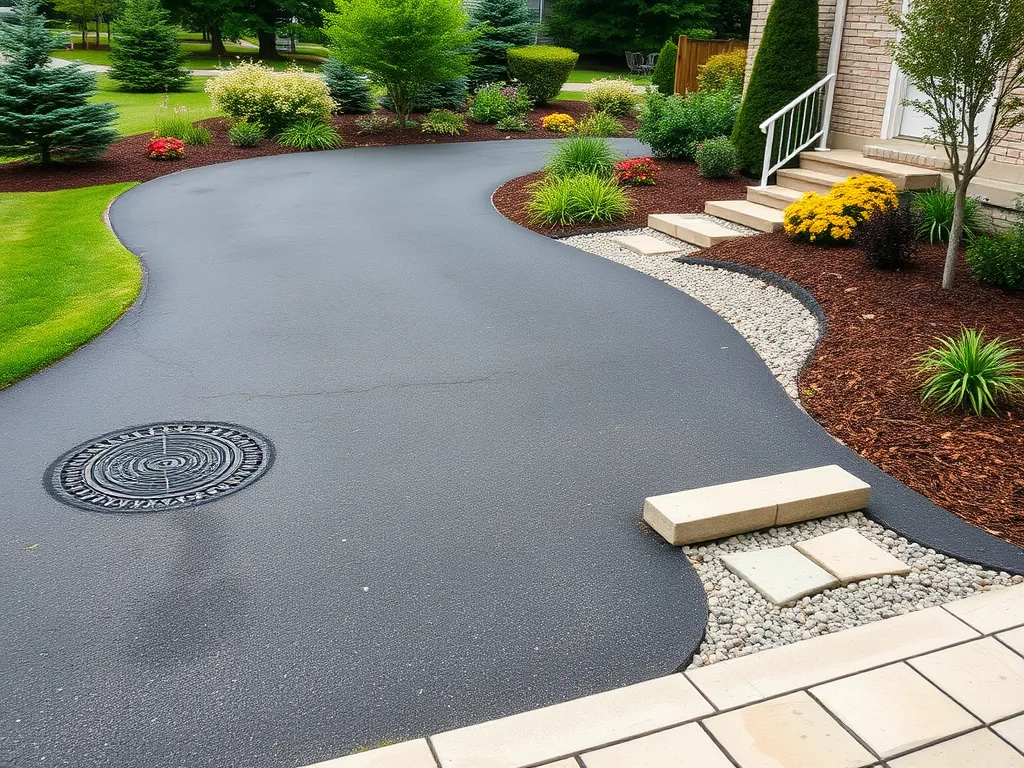
Add stone or brick borders to frame your asphalt driveway. Use granite, cobblestone, or clay pavers for crisp edges. Borders hide cracks and stop asphalt from crumbling at the sides. Costs range $8-$15 per linear foot based on stone type. Match border colors to your home’s trim for a clean finish.
Inlaid Pavers for Visual Contrast
Cut patterns into fresh asphalt and fill them with pavers. Try herringbone, fan, or grid designs with concrete, slate, or terra cotta. Inlays add grip in wet spots like slopes or turns. Seal joints yearly with polymer sand to stop weeds. Expect to pay $12-$22 per sq.ft. for complex layouts.
Transition Zones to Adjacent Landscaping
Blend asphalt edges into gardens with 12″-18″ wide transition strips. Use gravel, mulch, or ground cover plants between pavement and flower beds. Install french drains under strips to move water off the drive. For slopes, add stone steps or low walls to link driveways to yards.
Smart material mixes boost both looks and function. Next, learn how design picks affect how long your drive lasts.
Durability Considerations for Custom Asphalt
Your asphalt driveway’s lifespan depends on how design choices interact with environmental stresses. From surface textures to color treatments, every customization affects performance over time.
Impact Of Design Choices on Longevity
Thickness remains the top factor for durability. A standard 2.5-inch layer works for passenger vehicles, but driveways handling trucks or RVs need 4+ inches. Aggregates matter too—3/4-inch crushed stone creates stronger bases than finer mixes. Curved layouts require precise compaction to prevent edge raveling, while stamped patterns may create micro-cracks without proper joint spacing. Drainage channels added during installation prevent water pooling, a leading cause of asphalt degradation.
Protective Sealants for Colored Surfaces
Colored asphalt loses 20-30% of its vibrancy within 5 years without protection. Coal-tar sealants dominate the market with 85% UV resistance rates, while acrylic alternatives offer clearer finishes for rich tones. Polymer-modified sealcoats add flexibility to prevent hairline cracks—apply 0.75 gallons per square yard every 2-3 years. For stamped designs, use penetrating sealants that won’t fill texture details. Budget $0.15-$0.30 per square foot for professional sealing services.
These protective measures directly influence long-term costs—a key factor when evaluating your driveway investment.
Cost Analysis for Customized Asphalt Driveways
Custom asphalt driveways blend style with smart spending. Costs shift based on design depth, material blends, and labor needs. Let’s break down the numbers.
Pricing Factors for Design Complexity
Simple tweaks cost less than bold moves. Adding sealcoating or basic borders runs $2.50-$4.00 per sq.ft. Stamped patterns, custom edges, or mixed materials jump to $6.50-$12.00. Labor eats 40-60% of budgets for complex jobs.
Basic vs. Premium Customization Costs
Basic upgrades focus on tints and textures. A dark tinted seal adds $0.30-$0.50 per sq.ft. Straight stone borders cost $8-$12 per linear foot. Premium picks like stamped asphalt mimic brick or slate for $4.50-$7.00 per sq.ft. Curved edges or inlaid pavers add $1,000-$3,000.
20×20 Driveway Installation Cost Breakdown
| Feature | Basic ($3,000) | Mid ($4,500) | Premium ($8,000) |
|---|---|---|---|
| Base Prep | $800 | $1,000 | $1,200 |
| Asphalt Layer | $1,200 | $1,500 | $2,000 |
| Sealcoat | $200 | $400 (tinted) | $600 (custom) |
| Borders/Edges | $300 (gravel) | $800 (stone) | $2,500 (pavers) |
Smart picks balance looks with long-term value. Now let’s see how green choices boost both style and savings.
Eco-friendly Asphalt Customization
Modern driveways balance visual appeal with environmental responsibility. Homeowners now select green solutions that reduce ecological impact without sacrificing performance.
Recycled Asphalt Material Options
Recycled Asphalt Pavement (RAP) mixes crushed old pavement with new binders. Contractors blend 20-30% RAP into fresh mixes, creating driveways with 90-95% reclaimed materials. This cuts project costs by 20-30% compared to virgin asphalt. RAP maintains the same load-bearing capacity as traditional mixes—tested up to 3,000 PSI compressive strength.
| RAP Percentage | Cost Per Sq.Ft. | Compressive Strength |
|---|---|---|
| 20% | $2.10-$2.80 | 2,800 PSI |
| 30% | $1.90-$2.50 | 2,750 PSI |
RAP works with most asphalt driveway style options, including stamped textures or tinted sealcoats. Contractors grade recycled material to meet Superpave specifications for consistent performance.
Permeable Driveway Solutions
Permeable pavement options use open-graded mixes with 16-22% void spaces. These systems manage 5-7 gallons of stormwater per minute per square foot, meeting EPA runoff requirements. Installations include:
- 6-inch crushed stone base layer
- 2-inch choker course
- 3-inch permeable surface mix
Though permeable systems cost 15-20% more upfront ($4.50-$6.00 per sq.ft.), they prevent costly drainage issues. Many municipalities offer tax credits up to $1,500 for installing eco-friendly driveways.
Upkeep plays a key role in maintaining these green systems. Next, we’ll explore best practices for preserving customized surfaces through seasonal changes.
Maintenance Of Customized Asphalt Surfaces
Custom asphalt driveways demand tailored upkeep to preserve both aesthetics and structural integrity. Design elements like colored sealcoats or stamped textures require specific protocols beyond standard asphalt care. Proper maintenance protects your investment while keeping decorative features vibrant.
Crack Repair and Resurfacing Schedules
Decorative borders and intricate patterns accelerate wear in high-stress zones. Inspect monthly for three crack types:
- Alligator cracks: Web-like fractures needing full-depth patching
- Edge cracks: Install rubberized sealant (90% flexibility rating)
- Linear cracks: Clean + fill with hot-pour asphalt cement
Resurface every 8-12 years using 1.5″ overlay minimum. Colored driveways may need earlier refreshes – tinted surfaces show wear faster under UV exposure. Schedule sealcoating every 3 years with acrylic-based formulas for color retention.
Cleaning Techniques for Stained/colored Asphalt
Integral color mixes and stained finishes require pH-balanced care. Avoid bleach-based cleaners that fade pigments. For common issues:
- Oil spills: Apply citrus degreaser within 2 hours
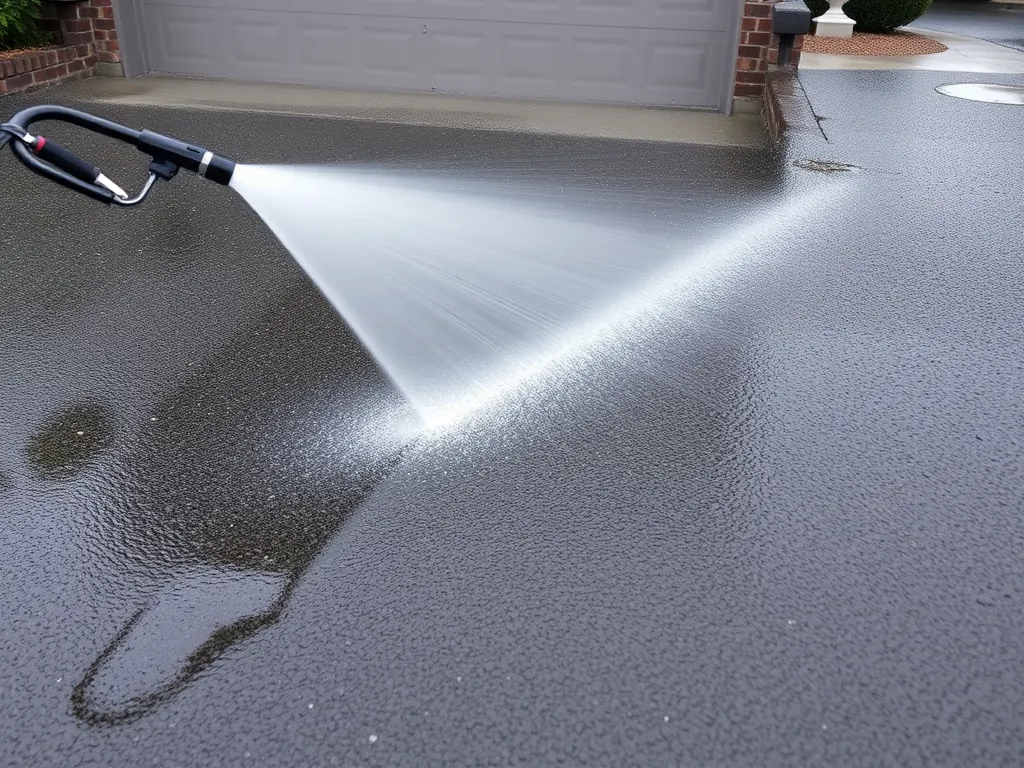
- Leaf stains: Power wash at 2500 PSI max before tannins set
- Salt residue: Rinse weekly with magnesium chloride solution
Use rotary surface cleaners for stamped textures – straight nozzles can erode patterns. Reapply penetrating sealers after deep cleaning to protect custom finishes.
Consistent care ensures your asphalt driveway style options remain visually striking. Next, we’ll address common queries about enhancing and preserving these features.
Frequently Asked Questions
How Can I Make My Asphalt Driveway Look Better?
Enhancing your asphalt driveway’s appearance can be achieved through various methods. Consider adding decorative borders, applying a tinted sealcoat, or opting for stamped textures that mimic natural stone or brick. Regular maintenance, such as sealing and cleaning, will also keep it looking fresh.
What Can You Put Over an Asphalt Driveway?
There are several options for overlaying an asphalt driveway, including decorative concrete, pavers, or even rubberized surfaces for added texture and grip. Just ensure that the new material is compatible with asphalt to maintain durability.
How Do You Update an Existing Asphalt Driveway?
Updating an existing asphalt driveway can involve resurfacing, applying a new sealcoat, or integrating decorative enhancements like stamped patterns or colored finishes. These methods can rejuvenate the driveway’s look and extend its lifespan.
How Much Does a 20×20 Asphalt Driveway Cost?
The cost of a 20×20 asphalt driveway varies based on the complexity of design and materials chosen. Basic installations can start around $3,000, but with premium customizations such as stamped patterns or colored sealcoats, prices can exceed $8,000. Always consider the return on investment in curb appeal and functionality.
Closing Thoughts
Customizing your asphalt driveway offers opportunities to enhance both aesthetics and functionality. From unique shapes to varied textures, the options are abundant. Implementing decorative borders and colors can transform a standard driveway into a stunning entrance to your home. Paying attention to practical features like drainage and slip resistance ensures longevity and safety.
As you consider these customization options, remember that your choices not only affect the look but also the durability and maintenance of your driveway. The right combination of design elements and materials can maximize your investment while adding value to your property.
For more detailed information and resources on asphalt driveway customization, visit Asphalt Calculator USA.