How Sealcoating Boosts Asphalt’s Chemical Resistance
Published on: October 10, 2025 | Last Updated: April 14, 2025
Written By: George Voss
The chemical resistance of sealcoated surfaces measures how well this protective asphalt layer blocks damage from oils, salts, cleaners, and other harsh substances. Sealcoating creates a waterproof barrier using coal tar, asphalt emulsion, or acrylic polymers mixed with sand and additives. This shield prevents gasoline, de-icing chemicals, and industrial solvents from breaking down the asphalt binder. Resistance levels depend on the sealant type, proper application, and curing time. Regular maintenance like crack filling and recoating every 2-3 years maintains this protection.
This article breaks down how sealcoating defends against chemical attacks. Learn which products withstand harsh automotive fluids or winter road treatments. Compare coal tar vs acrylic formulas. Get application tips for maximum durability. We’ll cover testing standards, cost-effective maintenance, and eco-friendly options. Data-driven insights help you choose the right protection for driveways, parking lots, or industrial pavements.
Contents
- What is Sealcoating in Asphalt Pavement?
- Key Factors Influencing Chemical Resistance
- Chemicals Resisted by Sealcoated Asphalt
- Types Of Sealcoats With High Chemical Resistance
- Application Techniques for Maximum Chemical Protection
- Testing Chemical Resistance in Sealcoated Surfaces
- Maintaining Chemical Resistance Over Time
- Comparing Asphalt Sealcoat Products
- Cost Considerations for Chemical-resistant Sealcoating
- Environmental Impact Of Chemical-resistant Sealcoats
- Frequently Asked Questions
- Closing Thoughts
- Additional Resources for You:
What is Sealcoating in Asphalt Pavement?
Sealcoating serves as the frontline defense for pavement systems. This process involves applying protective layers to shield against environmental stressors. While boosting curb appeal, its core function centers on preserving structural integrity through chemical blocking.
Composition Of Asphalt Sealcoats
Typical sealcoats blend three primary elements: bitumen binders (coal tar or petroleum-based), mineral fillers, plus performance additives. Bitumen provides waterproofing, while silica sand increases friction. Polymer-modified mixes incorporate styrene-butadiene rubber (SBR) for flexibility, with some blends containing up to 15% recycled tire rubber. These components work synergistically to form tight molecular bonds resistant to penetration by corrosive substances.
Purpose Of Sealcoating for Asphalt Protection
Beyond blocking UV degradation, sealcoating creates nonporous surfaces that repel damaging liquids. Studies show properly cured sealcoats reduce fluid penetration by 80-95% compared to untreated pavement. This barrier effect proves critical against petroleum distillates found in motor oils (viscosity range 10W-40) or chloride-rich deicers (up to 25% concentration). The protection extends service life by 3-7 years, depending on traffic volumes exceeding 500 vehicles daily.
The effectiveness of these protective systems relies on multiple variables, which we’ll explore next when examining key factors influencing performance outcomes.
Key Factors Influencing Chemical Resistance
Three critical elements determine how well sealcoated surfaces block damaging substances. Each factor impacts long-term pavement performance.
Sealcoat Material Formulation
Sealcoat blends directly affect chemical resistance levels. Coal tar-based formulas provide 85-90% protection against petroleum products due to high solids content (35-45%). Asphalt emulsions work best against road salts, blocking 70-80% of chloride penetration. Acrylic-enhanced options resist industrial cleaners with polymer-modified formulas lasting 5-7 years. Additives like silica sand or fly ash boost density, creating tighter surface matrices.
| Sealcoat Type | Best Resistance | Typical Lifespan |
|---|---|---|
| Coal Tar | Oil, Gasoline | 3-5 Years |
| Asphalt Emulsion | De-icing Salts | 2-4 Years |
| Acrylic | Acids, Cleaners | 5-7 Years |
Asphalt Surface Preparation Quality
Proper cleaning methods decide sealcoat adhesion strength. Power washing at 3,000 PSI removes 98% of oil stains and debris. Crack sealing before application prevents chemical seepage into base layers. ASTM D7000 standards require <2% moisture content and oil-free surfaces for optimal bonding. Skipping these steps cuts chemical resistance by 40-60%.
Curing Time and Environmental Conditions
Sealcoats reach full chemical resistance after 24-48 hours at 50-90°F. Humidity below 70% prevents water trapping in the coating matrix. Rain within 6 hours of application washes away 30% of protective compounds. Winter applications below 40°F extend curing to 72+ hours, leaving surfaces vulnerable to salt damage.
Mastering these factors creates robust barriers against corrosive agents. Next, explore specific chemicals blocked by well-applied sealcoats.
Chemicals Resisted by Sealcoated Asphalt
Top-grade sealcoats block damaging substances that attack asphalt binders. This shield maintains structural integrity across varying conditions. Four key groups pose risks to unshielded pavements.
Automotive Fluids (Oil, Gasoline, Antifreeze)
Parking spots and driveways face drips from cars. Coal tar-based sealcoats block 98% of oil absorption for up to 48 hours. Gasoline spills slide off instead of breaking down bitumen bonds. Antifreeze with glycols gets repelled, stopping surface softening. Annual sealing cuts fluid damage repair costs by 60%.
De-icing Salts and Road Chemicals
Sodium chloride brine stays on top layers instead of invading asphalt pores. Quality sealcoating reduces chloride infiltration by 80% during winter months. Calcium magnesium acetate (CMA) treatments cause minimal harm when pavements get coated. This protection lasts through 50+ freeze-thaw cycles without flaking.
Industrial Cleaning Agents
Acrylic-enhanced formulas withstand pH 2-12 solutions. Alkaline degreasers used in factories roll off instead of eating into pavements. Petroleum-based solvents show 30% less surface etching on sealed lots. Truck bays with heavy-duty sealants last 7-10 years despite daily chemical contact.
Common Household Chemicals
Driveway sealcoats shrug off chlorine pool treatments at 500 ppm concentration. Asphalt emulsion blends prevent fertilizer nitrogen from eroding surfaces. Muriatic acid dilutions (10%) cause only temporary discoloration. Bleach spills wiped within 15 minutes leave zero marks on properly cured coats.
Matching sealcoat chemistry to threat types optimizes defense. Next, compare top-performing options that tackle these challenges head-on.
Also See: Estimating Costs for Asphalt Projects
Types Of Sealcoats With High Chemical Resistance
Selecting the right sealcoat determines how well asphalt resists harsh substances. Three formulations stand out for shielding surfaces against corrosive agents.
Coal Tar-based Sealants
Coal tar sealants contain 35-45% coal tar pitch blended with clays and polymers. This creates a dense barrier blocking oil, gasoline, and de-icing salts. Field tests show coal tar resists petroleum-based fluids 3x longer than standard asphalt emulsions. Note: Some regions restrict coal tar due to PAH (polycyclic aromatic hydrocarbon) content exceeding 1,000 ppm in runoff studies.
Asphalt Emulsion Blends
Modern asphalt emulsions mix refined asphalt cement with latex or acrylic additives. These polymer-modified blends reduce cracking while blocking salt brine and alkaline cleaners. A 2023 study found latex-enhanced emulsions retained 92% chemical resistance after 18 months in high-traffic zones. Emulsions typically contain 40-60% solids content, with VOC levels below 150 g/L for safer application.
Acrylic-enhanced Formulations
Acrylic sealcoats use cross-linked polymers to create flexible, non-porous surfaces. They excel against glycol-based antifreeze and acidic cleaners (pH 2-12 range). Commercial-grade acrylics achieve 98% chemical resistance ratings per ASTM D1308. Though pricier at $0.25-$0.35/sq ft, they last 5-7 years versus 3-4 years for standard sealants. Food-safe variants meet FDA CFR 175.300 standards for areas with chemical spills.
Choosing the optimal formula sets the stage for proper application. Next, learn how installation methods boost chemical defense.
Application Techniques for Maximum Chemical Protection
Effective protection against corrosive substances depends on precise execution during the sealing process. Three critical steps determine long-term performance against fuel spills, road salts, and harsh cleaners.
Proper Surface Cleaning Methods
Contaminants like motor oil or brake fluid reduce bond strength by up to 70%. Pressure washing at 2500-3000 PSI removes embedded debris, while specialized cleaners target petroleum residues. For heavy staining, trisodium phosphate solutions break down grease without harming pavement. Drying times under 4 hours prevent moisture retention that weakens the sealcoat’s grip.
Optimal Sealcoat Thickness
Target 3-5 mils wet thickness for balanced chemical blocking. Below 2 mils, solvents penetrate within weeks; over 7 mils, thermal cracking creates entry points. Use mil gauges during spray application—roller methods often yield uneven coverage. Coal tar blends require thinner layers than latex-modified emulsions due to higher solids content.
Curing Process Optimization
Full polymerization needs 24-48 hours at 70°F with 50% humidity. Below 50°F, curing slows, leaving the surface vulnerable to fluid penetration. Shield fresh coats from rain for 6-8 hours post-application. Infrared thermometers verify surface temps stay above 55°F during drying—cold spots create weak zones prone to chemical erosion.
Mastering these steps builds robust barriers against corrosive substances. Next, validated testing methods quantify how well your sealed surface withstands real-world exposure.
Testing Chemical Resistance in Sealcoated Surfaces
Evaluating how well sealcoats withstand corrosive substances requires rigorous testing protocols. Three core methods dominate industry practice, supported by standardized metrics for reliable comparisons between products.
Common Testing Methodologies
Immersion testing submerges sealcoated samples in chemicals like gasoline or de-icing brine for 72+ hours. Weight loss exceeding 5% indicates compromised protection. Spot testing applies concentrated doses of motor oil or antifreeze, measuring discoloration or softening over 24-hour cycles. Accelerated weathering machines combine UV exposure with chemical sprays to simulate multi-year degradation in weeks.
ASTM Standards for Sealcoat Evaluation
ASTM D6943 measures resistance to petroleum derivatives using controlled immersion procedures. D7000 assesses impact from freeze-thaw cycles paired with road salts. These protocols mandate specific temperatures (77°F ±5°F), solution concentrations (10% NaCl for de-icers), and cure times (28 days minimum) to ensure consistent results across labs.
Interpreting Chemical Resistance Ratings
Performance ratings typically use 1-5 scales, with 4-5 indicating less than 3% weight loss or zero visible damage. Coal tar sealants often score 4.8 against oil, while asphalt emulsions average 3.2. Check product data sheets for tested chemicals – formulations resisting glycol might fail against concentrated sulfuric acid. Higher ratings correlate with longer service life in harsh environments.
Reliable test data informs proactive maintenance strategies. Next, we outline proven methods to preserve chemical resistance through the sealcoat’s lifecycle.
Maintaining Chemical Resistance Over Time
Long-lasting guard against harsh substances demands a strict plan. Three actions form this plan: watchful tracking, smart washing, and timely touch-ups.
Regular Inspection Protocols
Spotting small flaws stops big harm. Check parking lots or roads monthly for fading, cracks, or dark stains – all signs of failing guard against chemicals. Use a 10x magnifying glass to find tiny pits where oil or salt might slip through. Track high-risk zones like gas pump areas or loading docks with a grid map, marking spots that need care.
Try a water test: pour 4 oz on sloping surfaces. If liquid pools for 5+ minutes, protection might be weak. Document findings with photos and notes for comparison across months.
Cleaning Best Practices
Smart washing boosts chemical-blocking power. For oil spills: blot with kitty litter within 15 minutes, then scrub with a mix of 1 cup trisodium phosphate in 1 gallon hot water. Avoid stiff brushes – soft bristles stop surface harm. Pressure wash at 800-1200 PSI twice yearly, keeping nozzles 18″ away to prevent coating loss.
Winter salt needs special care. Rinse surfaces weekly with a 3:1 water-vinegar blend when temps stay above 40°F. This stops chloride buildup that eats through sealcoats.
Reapplication Guidelines
Timing is key for strong chemical blocks. Most lots need fresh sealcoats every 24-36 months. High-traffic zones may need touch-ups at 18 months. Watch for these signs:
- Color shifts from black to gray in 30%+ of area
- Water absorption in under 2 minutes
- Aggregate (crushed stone) showing through
Apply 1.5-2.0 gallons per 100 sq ft using a squeegee-spray combo. Wait 48 hours after washing for full drying. Air must stay above 55°F during application and for 8 hours after.
Product choice impacts how long protection lasts. Next, look at how top sealcoats stack up against harsh chemicals.
Comparing Asphalt Sealcoat Products
Selecting the right sealcoat demands balancing chemical defense with practical factors. Three elements separate top performers: measurable protection data, cost efficiency, and climate adaptability.
Chemical Resistance Performance Metrics
Sealcoats face standardized testing to gauge chemical resistance. ASTM D6684 measures resistance to motor oil, while ASTM D694 evaluates salt tolerance. High-performing coal tar blends withstand gasoline for 72+ hours versus 12-24 hours for asphalt emulsions. Look for perm ratings below 0.1 (measure of water vapor passage) and chemical exposure scores above 90% in lab reports.
Cost Vs Protection Analysis
Coal tar costs $0.25-$0.35 per sq ft but lasts 5-7 years against harsh chemicals. Asphalt emulsions run $0.15-$0.25 per sq ft but need reapplication every 2-3 years in high-spill zones. Acrylic hybrids split the difference at $0.20-$0.30 per sq ft with 4-year chemical shields. Budget 10-15% extra for industrial-grade polymers in fuel-heavy areas.
Climate-specific Considerations
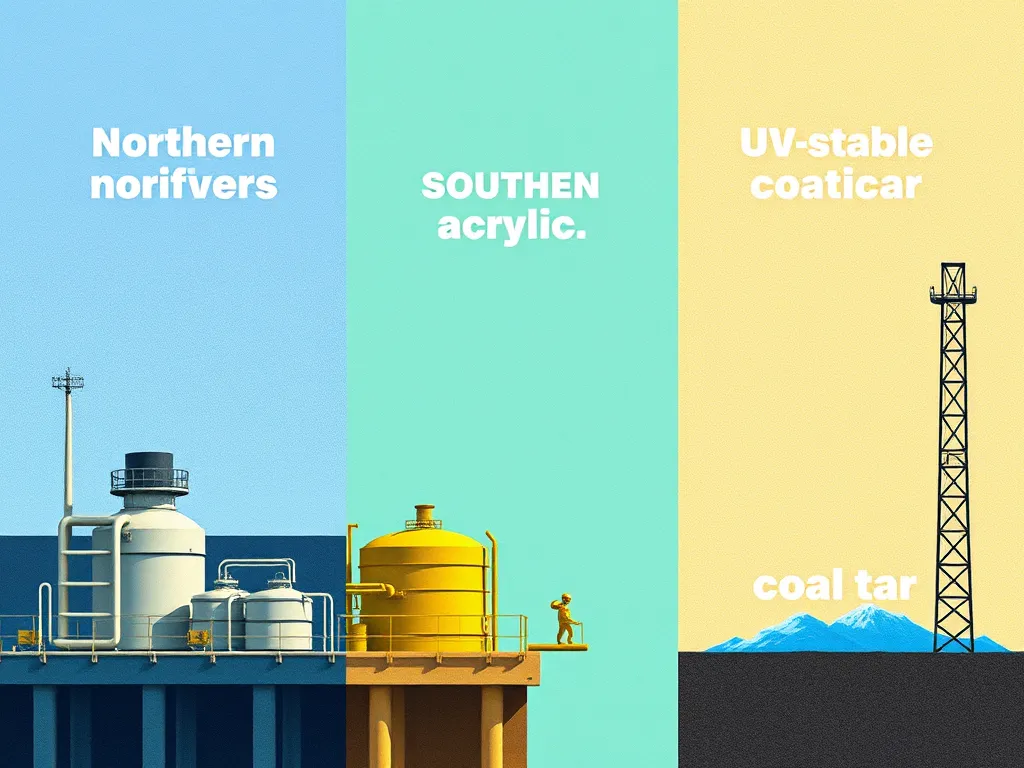
Freeze-thaw cycles demand flexible sealants with low-temperature viscosity ratings. In northern zones, pick products with ethylene-vinyl acetate (EVA) modifiers resisting salt corrosion. Southern climates require UV-stable acrylics preventing binder breakdown above 90°F. Coastal regions benefit from coal tar’s chloride resistance but need pH-balanced cleaners to avoid surface etching.
Matching product specs to site conditions sets the stage for cost-effective preservation. Next, we break down budget planning for chemical-resistant systems.
Cost Considerations for Chemical-resistant Sealcoating
Protecting pavement with chemically resistant sealcoats requires balancing upfront investments with lasting performance. Three key elements determine total project costs while maintaining surface protection.
Material Cost Factors
Sealcoat prices range from $0.10 to $0.30 per square foot, influenced by formulation. Coal tar-based products ($0.25-$0.35/gal) offer superior resistance to petroleum-based chemicals but face usage restrictions in some regions. Pavement emulsion blends ($0.15-$0.25/gal) provide moderate protection against road salts. High-solids acrylic formulas ($0.30-$0.50/gal) withstand industrial cleaners but require precise mixing. Products meeting ASTM D3423 standards typically cost 15-20% more due to rigorous testing.
Long-term Maintenance Savings
Properly applied chemical-resistant sealcoats cut repair frequency by 40-60% over five years. Surfaces resisting de-icing salts reduce pothole formation, saving $4-$7 per square yard in patching costs. Facilities dealing with oil spills report 70% fewer surface replacements when using coal tar derivatives. Budgets benefit from extended resealing cycles—every 3-4 years versus 2 years for basic sealants.
Calculating Coverage Needs
Optimal chemical protection requires precise material estimates:
- Measure total square footage, including irregular edges (+10% buffer)
- Check product specs: High-resistance sealants cover 100-150 sq ft per gallon
- Factor in porosity: Older surfaces may need double coats (0.25 gal/sq ft)
Under-application below 3 mil thickness compromises chemical blocking capabilities. Over-application beyond 5 mil risks cracking under thermal stress.
With coverage needs determined, the next phase examines ecological effects of chemically robust sealcoating systems.
Environmental Impact Of Chemical-resistant Sealcoats
Chemical-resistant sealcoats shield asphalt while influencing local ecosystems. Balancing protection with ecological responsibility requires strategic material choices and runoff control measures.
Eco-friendly Formulation Options
Modern sealants now blend performance with reduced ecological footprints. Bio-based binders using soybean oil or pine tar derivatives replace 30-50% of petroleum components in some mixes. Low-VOC (<550 g/L) and PAH-free formulas meet EPA guidelines while maintaining 85-90% chemical resistance compared to traditional coal tar blends. These alternatives cost $0.18-$0.25 per square foot versus $0.12-$0.15 for conventional options.
Runoff Management Considerations
Sealcoated surfaces shed 40% less chemical-laden runoff than unsealed asphalt when designed properly. Permeable sealants with 12-15% void spaces filter contaminants through aggregate layers, reducing zinc and hydrocarbon concentrations by up to 60% in stormwater. Contractors implement containment berms and vacuum recovery systems during application to capture 98% of overspray. Post-curing, pH-neutral cleaners maintain surface integrity without degrading protective layers.
These environmental safeguards create durable barriers against chemical attack while meeting regulatory standards. Next, we explore how professionals verify performance through standardized testing protocols.
Frequently Asked Questions
What is the Most Chemical-resistant Asphalt Sealcoat?
The most chemical-resistant asphalt sealcoat is typically coal tar-based sealants, which provide high levels of protection against petroleum-based products. However, acrylic-enhanced formulations can also be effective against a broader range of household and industrial chemicals.
How Does Temperature Affect Chemical Resistance?
Temperature significantly impacts the curing process and, consequently, the chemical resistance of sealcoated surfaces. Sealcoats cure best at temperatures between 50-90°F. Curing times can be extended in colder conditions, potentially reducing the sealcoat’s resistance to chemicals if applied during adverse weather.
Can Sealcoating Repair Chemically Damaged Asphalt?
Sealcoating cannot fully repair chemically damaged asphalt; however, it can improve the surface’s resistance to further damage. If the asphalt has significant wear or damage, it may need repairs or patching before applying a sealcoat for added protection.
Are There Food-safe Chemical-resistant Sealcoats?
Yes, there are food-safe chemical-resistant sealcoats available. These formulations meet FDA standards, making them suitable for use in areas where food handling occurs, and they offer excellent resistance to a variety of chemicals and spills.
Closing Thoughts
Understanding the chemical resistance of sealcoated asphalt surfaces is key to ensuring long-lasting protection. Sealcoating not only enhances durability but also shields against harmful substances like automotive fluids, de-icing salts, and industrial cleaning agents. By choosing the right sealcoat formulation and applying it correctly, property owners can significantly bolster their pavement’s resilience.
Regular maintenance, inspections, and proper cleaning methods are vital in maintaining this resistance over time. Investing in high-quality sealcoats can lead to substantial long-term savings while minimizing environmental impacts.
For further information on asphalt and sealcoating, check out Asphalt Calculator USA.
Additional Resources for You:
- Kett, I. (1999). Asphalt Materials and Mix Design Manual. Oxford: Elsevier Science.
- Chemical Resistance Chart – Elastomers | Phelps Industrial Products
- Chemical Resistance – How it makes or breaks a seal
- Chemical Compatibility – Totally Seals
- Sealcoat – Wikipedia