Benefits Of Preventative Asphalt Maintenance
Published on: August 18, 2025 | Last Updated: April 14, 2025
Written By: George Voss
Preventative asphalt maintenance involves regular, planned treatments to protect pavement before major damage occurs. This approach saves 50-75% on repair costs compared to waiting until roads crack or potholes form, while extending pavement life up to 25 years through methods like crack sealing and sealcoating. It preserves the asphalt’s structural layers, prevents water infiltration, and maintains skid resistance for safer driving surfaces.
This article breaks down why proactive care outperforms emergency repairs. You’ll learn specific cost-saving advantages, compare long-term performance data, and explore proven techniques like infrared patching and polymer-modified emulsions. We’ll also cover environmental impacts, inspection schedules, and how to tailor a maintenance plan for your pavement type.
Contents
- What is Preventative Asphalt Maintenance?
- Preventative Vs. Reactive Asphalt Maintenance
- Key Benefits Of Preventative Asphalt Maintenance
- Cost-saving Advantages Of Regular Maintenance
- Proven Preventatve Maintenance Methods
- Environmental Benefits Of Preventative Care
- Frequently Asked Questions
- Closing Thoughts
- Additional Resources for You:
What is Preventative Asphalt Maintenance?
Preventative asphalt maintenance involves planned care to stop pavement damage before it starts. Think of it as routine check-ups for roads, parking lots, or driveways. This strategy targets early signs of wear like hairline cracks or surface oxidation, addressing them before they expand into costly failures.
Common methods include crack sealing, sealcoating, and pothole patching. These techniques focus on preserving existing asphalt layers rather than replacing entire sections. A Federal Highway Administration study shows pavements receiving timely care last 15-25 years versus 8-12 years with neglect.
Core Components of Proactive Care
- Crack Sealing: Injects hot rubberized asphalt into openings over 1/4″ wide to block water intrusion
- Sealcoating: Applies coal tar or asphalt-based emulsion every 2-3 years to shield against UV rays and chemicals
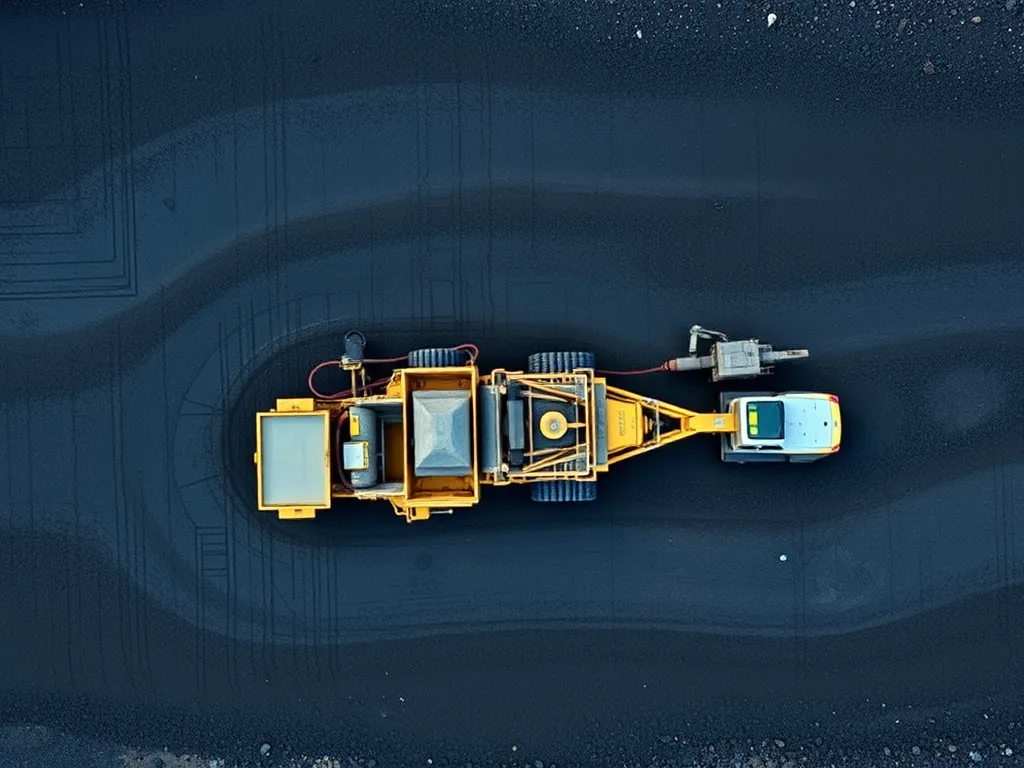
- Patching: Replaces degraded areas using infrared heating or cold mix asphalt for immediate stabilization
This approach leverages materials like polymer-modified binders and fine aggregates to match existing pavement composition. By maintaining surface integrity, it prevents water from seeping into subbase layers – the #1 cause of potholes and heaving.
Property managers who implement these measures report 50-75% lower repair costs over a decade. The secret lies in timing: fixing a 1″ crack costs $0.15 per linear foot, while repairing resulting potholes averages $30-$50 per square foot.
Next, let’s examine how proactive care stacks up against emergency repairs in both cost and performance.
Preventative Vs. Reactive Asphalt Maintenance
Choosing between preventative care and emergency fixes shapes pavement lifespan and budget outcomes. Let’s break down the critical differences.
Cost Efficiency: Proactive Care Vs. Emergency Repairs
Sealcoating costs $1.50-$3.50 per square foot. Full-depth asphalt repairs run $8-$15. Reactive approaches spike expenses through:
| Preventative Method | Cost Range | Frequency |
|---|---|---|
| Sealcoating | $1.50-$3.50/sf | Every 3-5 years |
| Crack Sealing | $0.50-$2.00/linear ft | Annual |
| Reactive Repairs | $8-$15/sf | Unplanned |
NAPA’s lifecycle cost analysis shows proactive strategies slash spending by 50-75% over 20 years. Catching cracks early stops water from eroding subgrades – a $10 fix today versus $1,000 tomorrow.
Long-term Pavement Performance Comparison
Preventative asphalt maintenance benefits include 15-20 years of service life. Untreated surfaces degrade in 8-12 years. Key metrics:
- Rutting: 0.3” depth with care vs. 1.2” without
- Cracking: 5% surface area vs. 35%+
- Friction: 45+ SN skid numbers vs. sub-30 SN
PG binder grades last 2-3x longer when shielded from oxidation. Superpave mixes with polymer modifiers maintain flexibility below 14°F, resisting thermal cracking.
These financial and performance gains set the stage for exploring specific preservation techniques. Next, we’ll examine how targeted treatments protect asphalt layers.
Key Benefits Of Preventative Asphalt Maintenance
Proactive care stops small issues from becoming big problems. This saves money, time, and keeps roads safer for drivers.
Extends Pavement Lifespan by Decades
Regular upkeep adds 15-20 years to asphalt life. Crack sealing blocks water seepage. Sealcoating shields against sun rays and fuel spills. Without care, asphalt breaks down in half the time.
Reduces Major Repair Costs by 50-75%
Fixing cracks early costs $0.15-$0.30 per linear foot. Full-depth repairs hit $5-$10 per square foot. Agencies save $4-$8 for every $1 spent on upkeep. Budgets stretch further with planned care.
Preserves Structural Integrity Of Asphalt Layers
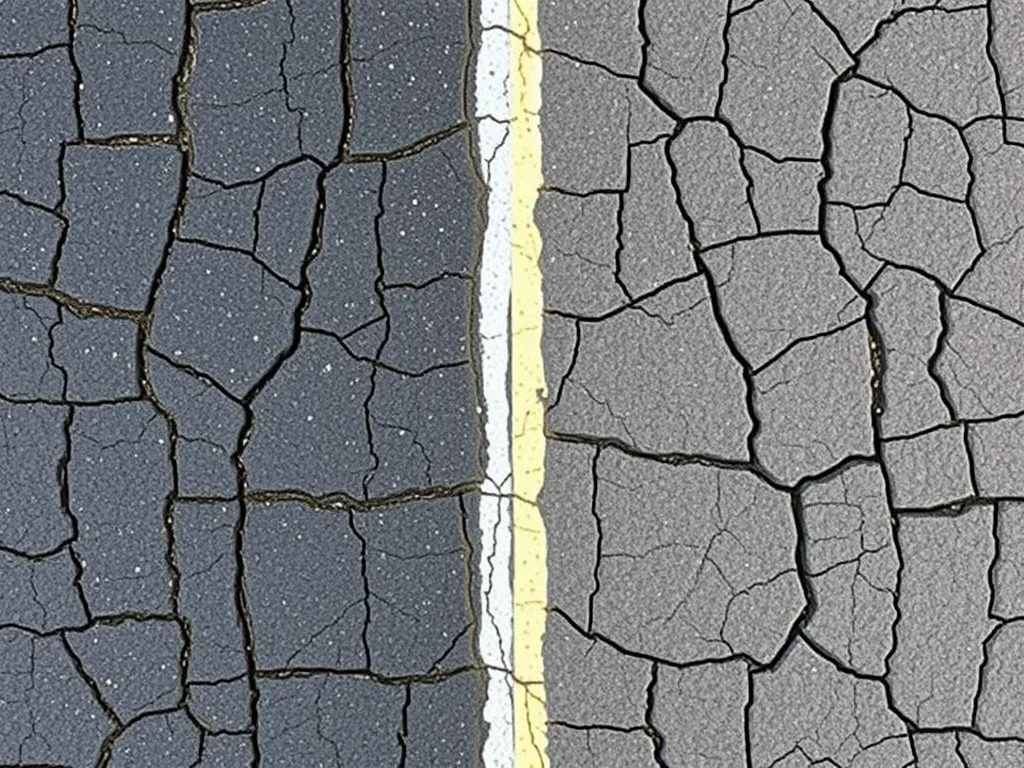
Water weakens the base under the asphalt. Sealants keep layers bonded and strong. Strong bases handle heavy trucks without rutting. Weak bases lead to alligator cracks and sinkage.
Enhances Surface Safety and Skid Resistance
Fresh sealcoat adds grit for tire grip. Proper drainage stops hydroplaning risks. Smooth roads cut tripping hazards. ASTM E274 tests show upkeep keeps friction scores above 0.50.
These gains prove why smart care pays off. Next, see how routine plans protect your wallet year after year.
Also See: Grading Vs Rolling: What’s the Difference Explained
Cost-saving Advantages Of Regular Maintenance
Proactive care transforms how asphalt performs over time. Spending $1.50-$3 per square foot annually on sealcoating or crack filling slashes long-term expenses. Compare that to full-depth reconstruction costing $7+ per square foot. Regular upkeep keeps budgets predictable.
Eliminates Need for Complete Overhauls
Sealing small cracks stops them from expanding into alligator cracks or potholes. A 1/4-inch untreated crack can grow to 2+ inches within 12 months, requiring milling and overlay. Timely repairs cut project costs by 60% compared to full replacements. Agencies like NAPA confirm roads maintained every 2-3 years last 20+ years versus 12-15 years without care.
Prevents Costly Subbase Damage
Water seeping through surface cracks erodes the crushed stone base. Fixing cracks early avoids $15-$30 per square foot subbase reconstruction. Proper drainage maintenance preserves load-bearing capacity. Studies show 80% of pavement failures start with subgrade issues triggered by moisture intrusion.
Maximizes ROI on Initial Pavement Investment
Every $1 spent on preventative maintenance saves $6-$10 in future repairs. FHWA data shows well-maintained asphalt delivers 300%+ return over two decades. Resurfacing every 10-12 years extends service life by 8-10 years compared to reactive patching. Taxpayer-funded projects benefit from extended intervals between capital outlays.
While cost control matters, maintenance techniques also impact performance. Let’s explore methods that lock in these savings.
Proven Preventatve Maintenance Methods
Preservng asphalt requres specfc technques that target early sgns of wear. These methods stop mnor ssues from turnng nto costly reconstructon projects.
Crack Sealng to Prevent Water nfltraton
Hairlne cracks wder than 1/8″ demand mmedate sealng wth rubberzed asphalt emulson. Left untreated, water permeates subbase layers, causng frost heave or base eroston. Proper crack treatment cuts water damage by 85%, savng up to $4.50 per square yard versus full-depth repars.
Sealcoatng for UV and Chemcal Protecton
Coal-tar or asphalt-based sealants appled every 2-3 years block oxidaton from sun exposure. Ths 3-5 mm layer ressts gas, ol, and de-cng salts that degrade bnders. Tests show sealcoated surfaces last 200% longer than unproteced pavement n harsh clmates.
Pothole Patchng Before Structural Falure
Fllng depressions wth hot-mx asphalt usng “throw-and-roll” or nfrared methods prevents edge collapse. Early pothole repars cost $35-$50 per hole versus $500+ for subgrade replacement f left unaddressed. Infrared patches bond exstng layers, reducng recrackng rsk by 60%.
Routne Surface nspectons and Cleanng
B-weekly checks dentfy draange ssues, ravelng, or allgator cracks. Debris removal usng mechancal sweepers stops clogged draanage that leads to water pooling. Documentng condton changes allows targeted treatments, extendng pavement lfe 10-15 years wth mnmal nvestment.
Masterng these technques preserves pavement health – next, explore how ths approach protects ecosystems whle savng budgets.
Environmental Benefits Of Preventative Care
Preserving existing asphalt surfaces does more than save dollars—it actively protects ecosystems. Regular upkeep slashes environmental harm at every phase, from material sourcing to pavement retirement.
Reduces Landfill Waste From Pavement Removal
Full-depth replacements send 90-120 tons of rubble per lane mile to landfills. Preventative asphalt maintenance keeps surfaces functional for 25+ years, delaying removal cycles. A single sealcoat application can offset 3.7 tons of future debris—equal to 12% of a standard parking lot’s demolition waste.
Lowers Energy Consumption in Material Production
Fresh asphalt requires 280,000-320,000 BTUs per ton for aggregate mining and bitumen processing. Maintaining existing pavements cuts virgin material needs by 40-60% through techniques like crack filling with 95% recycled binders. Every 1,000 square feet of preserved asphalt saves 1.2 barrels of oil equivalent in production energy.
Minimizes Chemical Runoff Through Intact Surfaces
Cracked pavements leak 83% more motor oils, heavy metals, and de-icing salts into watersheds. Sealcoated surfaces block 97% of pollutant migration, per EPA stormwater studies. Proper drainage maintenance also cuts hydrocarbon runoff by 68% compared to degraded asphalt.
These eco-friendly gains pair with financial perks—let’s explore common questions about balancing ecology with budget needs.
Frequently Asked Questions
What Are the Primary Benefits Of Pavement Preservation?
Pavement preservation techniques provide several key advantages, including the extension of overall pavement lifespan, significant cost reduction for future repairs, improved safety through enhanced skid resistance, and less environmental impact by reducing waste and energy consumption associated with asphalt production and disposal.
How Often Should Asphalt Maintenance Be Performed?
Asphalt maintenance should ideally be performed every 1 to 3 years, depending on environmental conditions and the traffic load on the pavement. Regular inspections can help identify the best timing for maintenance activities such as sealcoating or crack sealing to prevent minor issues from escalating.
What Distinguishes Preventive From Reactive Maintenance?
Preventive maintenance is a planned approach aimed at addressing minor issues before they become severe (e.g., sealing cracks and applying sealcoat), while reactive maintenance is unplanned and occurs after damage has already transpired (e.g., repairing potholes or full overlay replacements). Preventive maintenance focuses on extending pavement life and minimizing costs, whereas reactive maintenance typically involves higher expenditures due to extensive repairs and restoration needs.
How Long Does Untreated Asphalt Typically Last?
Untreated asphalt typically lasts between 8 to 12 years, depending on various factors such as climate, traffic load, and environmental conditions. In contrast, with regular preventative maintenance, asphalt can last significantly longer, often extending its lifespan to 15-25 years or more with proper care.
Closing Thoughts
Preventative asphalt maintenance is more than just a smart investment; it’s a strategic approach to maximizing the lifespan and functionality of your pavement. By implementing effective maintenance practices, you can extend pavement life, cut repair costs significantly, and enhance safety. These benefits resonate across private driveways and commercial parking lots alike.
Regular maintenance not only safeguards your initial investment but also contributes positively to the environment. Reduced landfill waste and lower energy consumption are vital in today’s sustainability-driven world. A proactive maintenance strategy ensures your asphalt remains functional, safe, and environmentally friendly.
For more insights and resources on asphalt maintenance and calculations, check out Asphalt Calculator USA. Your pavement deserves the best care to stand the test of time.
Additional Resources for You:
- Transportation Research Board (TRB, Peer-Reviewed Research & Circulars)
- How Preventive Asphalt Road Maintenance Saves Money
- Four Benefits of Asphalt Preventative Maintenance | AAA Top Quality Asphalt
- Pavement Preventative Maintenance | AustinTexas.gov
- Benefits of Preventive Asphalt Maintenance – EVstudio